Author

Alan Walton

Browsing

The post-session notification systems on crypto roulette sites are built directly into the smart contracts rather than managed as a separate layer. The contract that governed the session emits an event log with details about the session’s outcome, balance changes, and transaction references at the end of that session. A player receives a notification based on this event log.

The mechanism differs from conventional platform notification systems, where alerts are generated by a centralised server and delivered through email or push channels. When qualifying session conditions are met, on-chain event logs are automatically produced. Platform decisions do not initiate notifications. Every qualifying session produces a notification as part of the contract’s standard session closure sequence. Contract event alerts are received directly by players with wallet interfaces that read contract events, with no intermediaries involved.

Notifications contain

What specific session data do post-completion notifications deliver to players? Notification content is drawn directly from the event log that the contract emits at session close. The contract parameters fix the data set and do not vary based on session outcome. Standard notification data includes:

  1. Final balance recorded at the exact point of session closure.
  2. Net change between the opening and closing balances across all rounds played.
  3. Total number of rounds completed within the session.
  4. Transaction hash referencing the session’s closing entry on-chain.

Each data point is verifiable against the on-chain record independently, meaning the notification content can be cross-referenced without relying on the platform’s own reporting interface.

Timing of alert delivery

How quickly do players receive notifications after a session completes on these platforms? Notification timing is tied directly to block confirmation speed on the underlying network. Once the session closure transaction is confirmed within a block, the contract event is readable by any interface monitoring that contract address.

Delivery speed, therefore, reflects network confirmation intervals rather than platform processing queues. On networks with shorter block times, notifications reach connected wallet interfaces within seconds of session closure. Platforms operating on networks with longer confirmation intervals produce a corresponding delay, but this delay is a network property rather than a platform-side processing lag. Players monitoring their wallet interface in real time observe the notification appear as soon as the confirming block is added to the chain, without any additional platform-side step required to release the alert.

Notification access across sessions

Because notifications derive from on-chain event logs, they remain accessible beyond the moment of initial delivery. Contract event histories are queryable at any point after emission, meaning a player who did not review a session notification immediately after closure can retrieve the same data later without loss of detail.

This persistent accessibility distinguishes on-chain notification records from platform-held alert systems, where notifications may expire, be marked as read and archived, or become inaccessible if a player’s account status changes. Account state is not relevant to on-chain event logs. The notification data is retrieved from the contract’s event record in the same format in which it was previously emitted by a player reviewing session history. The completeness of that record does not degrade over time, and no platform action is required to preserve it between the original emission and any subsequent retrieval.

You might be staring at a stack of tax forms, old receipts, payroll reports, or notices you meant to open sooner, and the stress is not just about math. It is about getting something wrong, paying more than you should, or trusting the wrong person with details that affect your business, your income, and your peace of mind. Working with a CPA in Arcadia, CA can help you feel more confident about each of those concerns.

That is usually where the search begins. Not all financial professionals do the same work, and not all of them hold the same training, licensing, or authority. If you are trying to sort out who can do what, the short answer is simple. One of the clearest benefits of hiring a CPA is that you get a licensed professional with strict education, exam, and ethics requirements, and that can matter a lot when taxes, planning, and financial decisions start to overlap.

A CPA brings licensed expertise that goes beyond basic tax filing

Some people only need a straightforward return prepared and filed. Others think they only need that, until a side business grows, rental income appears, estimated taxes get missed, or an IRS letter lands in the mailbox. The trouble is that many taxpayers do not realize the difference in credentials until they are already dealing with a problem.

A Certified Public Accountant is licensed by a state board. That means formal education, a demanding exam, and ongoing professional requirements. The IRS explains the differences among preparers in its guide to tax return preparer credentials and qualifications. That distinction matters because a return is rarely just data entry. It often involves judgment calls, documentation standards, entity choices, timing of deductions, and planning for what happens next year, not just this year.

This is one of the strongest advantages of choosing a CPA when compared with professionals who may focus on a narrower task. A bookkeeper may keep records organized. A tax preparer may complete forms. A financial advisor may help with investments. A CPA often connects those pieces, sees where one decision affects another, and spots risks before they become expensive.

A CPA can help reduce risk when finances get messy

Most financial mistakes do not start with carelessness. They start with ordinary life. You changed jobs. You started freelancing. You opened an LLC. You took money out of retirement early. You sold property. You paid contractors but did not keep clean records. Each step feels manageable on its own, then tax season shows how connected everything is.

That is where the second advantage shows up. A CPA is trained to work through complexity with documentation, compliance, and strategy in mind. If you run a small business, that can mean separating personal and business expenses correctly, setting up estimated tax payments, or making sure payroll reporting is handled the right way. If your return is selected for review, it also helps to have someone who understands the rules behind the numbers.

The IRS offers guidance for small business taxpayers choosing a tax professional, and the advice points in the same direction. Look for qualifications, a valid PTIN, experience with your type of return, and someone who will be available after filing season. That last part is easy to overlook until you need answers in July for something filed in April.

When people compare a CPA with other financial professionals, they often focus only on cost. The bigger cost is often the error that sits unnoticed for months or years. A missed deduction hurts. A bad filing position, poor records, or preventable penalty can hurt much more.

A CPA supports year round planning, not just seasonal paperwork

The third advantage is less visible at first, but it often saves the most money over time. A CPA does not just react to numbers after the year ends. A CPA can help you plan before decisions become permanent.

That matters if you are deciding whether to stay a sole proprietor, elect S corporation status, buy equipment before year end, adjust withholding, or set up retirement contributions. It matters if your income swings from month to month and you need cash flow decisions to line up with tax obligations. It matters if you want your records to support financing, growth, or a sale later.

Many people wait until filing time, then ask for planning after the fact, when the options are already gone. A CPA can help move those conversations earlier, when they still change the outcome. That is one reason many people looking for CPA vs other financial professionals are really asking a deeper question. Who can help me file correctly and think ahead? In many cases, a CPA is the right answer.

Key differences between a CPA and other financial professionals

Professional Type Primary Focus Licensing or Credential Level Best Fit
CPA Tax, accounting, financial reporting, planning State licensed, exam and continuing education required Complex returns, business finances, planning, risk reduction
Tax Preparer Preparing and filing tax returns Varies widely by credential and experience Simple returns when issues are limited
Bookkeeper Recording financial transactions Often not state licensed Ongoing recordkeeping and organization
Financial Advisor Investments and wealth planning Licensing depends on services offered Investment strategy and long term asset planning

If you are unsure who to hire, the Taxpayer Advocate Service has practical tips on choosing the right tax return preparer. Check credentials, ask who signs the return, and avoid anyone who promises outcomes before reviewing your records.

Three steps to choose the right certified public accountant

1. Match the CPA to your actual situation. A person with one W2 and no major changes needs something different from a contractor, landlord, or small business owner. Ask whether the CPA regularly handles your type of income, deductions, and filing issues.

2. Ask about planning, not just preparation. If the conversation ends with filing last year’s return, you are only solving part of the problem. Ask how they handle estimated taxes, entity questions, retirement planning, recordkeeping, and IRS notices.

3. Verify credentials and communication habits. Confirm licensing, ask who will prepare and review the return, and find out whether they are available after tax season. Clear answers now usually mean fewer surprises later.

Choosing a financial professional can feel harder than doing the return itself, especially when every option sounds similar on the surface. The good news is that the differences do become clearer once you focus on licensing, scope, and long term value. A certified public accountant can offer more than form filing. The right one can help you protect your money, lower avoidable risk, and make better decisions before problems grow.

If you are ready to move forward, take the next step and speak with a qualified Certified Public Accountant who fits your needs.

Walk through most modern manufacturing plants and the biggest change over the last decade isn’t the robots – it’s what’s watching them. Cameras mounted above conveyor lines, sensors tucked into assembly cells, and processors quietly comparing thousands of images a minute against a model of what “correct” looks like. This is machine vision, and it has moved from a niche quality-control tool into something closer to the nervous system of the modern factory.

It’s easy to underestimate how much of manufacturing still runs on human eyesight. Someone glancing at a weld, checking a label alignment, spotting a hairline crack in a casting before it ships. People are remarkably good at this – until hour seven of a shift, when fatigue creeps in and a defect slips through. Vision systems don’t get tired, don’t blink, and don’t have an off day. That reliability, more than any single flashy capability, is what’s driving adoption.

From Simple Pattern-Matching to Genuine Perception

Early machine vision was fairly blunt: a camera checks whether a part is present, whether a label is straight, whether a barcode reads correctly. Rule-based, rigid, and easily confused by anything outside its narrow programming. The shift toward deep learning changed the calculus entirely. Instead of hand-coding rules for every possible defect, a system can now be trained on thousands of example images and learn to recognise patterns a human engineer might never have thought to specify – subtle surface texture variations, inconsistent solder joints, packaging that’s technically within spec but visually “off” in a way that correlates with downstream failure.

That shift from rigid rule-checking to genuine pattern recognition is why the term has evolved too. What used to be called machine vision is now more often described as an industrial vision system – reflecting that these setups increasingly combine optics, lighting engineering, and AI inference into a single integrated package rather than a camera bolted onto a PLC. Specialists like Industrial Vision Systems build exactly this kind of end-to-end deployment, pairing hardware selection with the software and training work needed to get a model reliably distinguishing a genuine defect from a harmless shadow.

Where Vision Systems Actually Earn Their Keep

The obvious use case is defect detection, and it remains the biggest one. But the more interesting deployments are happening slightly upstream and downstream of that. On the production side, vision systems are increasingly used for in-process guidance – verifying that a robotic arm has picked the correct component before it’s placed, or checking that an assembly step happened in the right order before the next station starts work. Catching a mistake at station three is dramatically cheaper than discovering it during final inspection, and cheaper still than a customer discovering it.

Traceability is the quieter win. Regulated industries – automotive, pharmaceuticals, aerospace – increasingly need to prove not just that a product passed inspection, but exactly which images, timestamps, and model versions made that call. A vision system generates that audit trail automatically, as a side effect of doing its primary job. For a plant manager staring down a recall investigation, that record can be the difference between tracing a fault to a single shift on a single line and shutting down an entire product run out of uncertainty.

The Deployment Problem Nobody Mentions in the Sales Pitch

None of this works out of the box, and it’s worth being honest about that. A vision model trained on pristine sample images in a lab often falls apart on a real production line, where lighting shifts through the day, lenses pick up dust, and product variation is wider than anyone accounted for during the pilot. The unglamorous work – calibrating lighting rigs, building a training set that actually represents the messy reality of the shop floor, retraining periodically as tooling wears and products change – is where most of the real engineering effort goes, and where most half-hearted implementations quietly fail.

This is also, frankly, the same lesson that applies to almost any significant technology rollout in a business. We’ve written before about how to evaluate a technology partner properly rather than getting seduced by the sales pitch, and the same red flags apply here: vague promises without a clear implementation plan, no willingness to show real-world performance data, and pricing that doesn’t scale sensibly with the size of your deployment. A vision system is not a piece of software you install and forget – it’s an ongoing relationship with whoever built and maintains the model.

The ROI Conversation, Honestly

Return on investment for vision systems tends to get calculated two ways, and both matter. The first is direct: fewer defective units shipped, less manual inspection labour, fewer warranty claims. That number is usually straightforward to model before installation, and it’s the one that gets the project approved.

The second is harder to quantify but often larger over time – the data. Every image a vision system captures is a data point about how the production line is actually behaving, not how it’s assumed to behave on paper. Aggregated over months, that data starts revealing patterns: a particular machine drifting out of tolerance before anyone would have noticed manually, a supplier’s component batch showing a subtle but consistent quality shift, a correlation between ambient temperature and defect rate that nobody had previously connected. Plants that treat vision data purely as a pass/fail gate are leaving most of that value on the table.

Where the Technology Is Headed

The next visible shift is edge processing – running inference directly on hardware near the camera rather than shipping every frame to a central server, cutting latency to the point where a vision system can make a real-time decision fast enough to actually stop a faulty part before it moves to the next station, rather than flagging it after the fact. Combined with falling sensor costs, that’s pushing vision systems into smaller manufacturers who previously assumed the technology was reserved for automotive-scale production lines.

For a broader, vendor-neutral picture of where the industry is heading – standards work, certification programmes, and the wider automation ecosystem that vision technology sits inside – the Association for Advancing Automation’s vision and imaging resources are a genuinely useful reference point, independent of any single supplier’s marketing.

None of this replaces good engineering fundamentals – clean lighting, sensible camera placement, a training set that reflects reality rather than a tidy demo. But for manufacturers still relying on a person squinting at parts under fluorescent lighting for eight hours a day, the case for making the switch keeps getting harder to argue against.

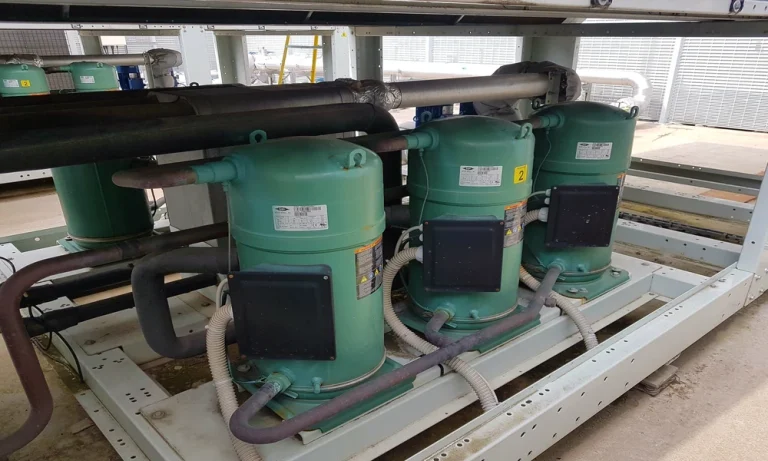
Industrial cooling systems play a major role in maintaining productivity across manufacturing, food processing, pharmaceuticals, and commercial facilities. A well-maintained scroll chiller not only improves cooling efficiency but also reduces energy consumption and prevents expensive breakdowns. In Indian industries where equipment often operates for long hours in varying weather conditions, regular maintenance becomes even more important.

By following the right servicing practices and monitoring system performance consistently, businesses can extend equipment life and achieve uninterrupted operations.

Keep the Condenser and Evaporator Clean

Dust, dirt, and industrial particles can accumulate on condenser and evaporator coils over time. This buildup affects heat transfer efficiency and forces the system to work harder than required.

To maintain proper cooling performance:

  • Clean condenser coils regularly using compressed air or soft brushing
  • Inspect evaporator surfaces for scaling or debris accumulation
  • Remove oil deposits that may reduce heat exchange efficiency
  • Schedule professional chemical cleaning when required

A clean cooling system helps maintain stable temperatures and lowers electricity usage, which is highly beneficial for industries operating continuously.

Monitor Refrigerant Levels Frequently

Refrigerant is essential for efficient cooling. Low refrigerant levels can reduce performance and increase compressor stress. On the other hand, overcharging may also create operational issues.

Signs of refrigerant problems include:

  • Inconsistent cooling
  • Higher power consumption
  • Frost formation on pipes
  • Unusual compressor sounds

Routine leak inspections and pressure checks help maintain optimal refrigerant balance. Many facilities working with industrial cooling systems consult experienced brine chiller manufacturers for periodic inspections and servicing support to avoid long-term damage.

Pay Attention to Compressor Health

The compressor is considered the heart of any cooling system. Ignoring early signs of wear can lead to major repair expenses and production downtime.

Important compressor maintenance practices include:

  • Checking oil levels and lubrication quality
  • Monitoring vibration and noise levels
  • Inspecting electrical connections
  • Ensuring proper voltage supply
  • Replacing damaged insulation immediately

Regular compressor inspections improve the reliability of a scroll chiller and help maintain consistent cooling capacity even during peak industrial operations.

Maintain Proper Water Quality in the System

Water quality has a direct impact on cooling efficiency. Poor-quality water may lead to scaling, corrosion, and blockages inside pipes and heat exchangers.

To improve water system performance:

  • Use treated water wherever possible
  • Check pH and hardness levels regularly
  • Install water filtration systems
  • Flush pipelines periodically to remove sediment

Industries using process cooling equipment should also inspect circulation pumps and valves regularly to ensure smooth water flow throughout the system.

Inspect Electrical Components and Controls

Electrical issues are one of the common reasons for unexpected chiller shutdowns. Loose wiring, faulty sensors, or damaged control panels can reduce efficiency and create safety risks.

A proper electrical inspection should include:

  • Tightening loose terminals
  • Checking overload protection systems
  • Testing sensors and thermostats
  • Examining relay and contactor condition
  • Cleaning electrical panels to prevent dust accumulation

Timely servicing ensures the cooling unit operates safely and consistently under different load conditions.

Train Staff for Proper Equipment Handling

Even the best cooling systems can develop problems if they are not operated correctly. Many industries focus only on technical servicing while ignoring the importance of staff training. Operators who understand the working principles of chillers can identify warning signs early and prevent unnecessary damage.

Training programs should include:

  • Correct startup and shutdown procedures
  • Basic troubleshooting methods
  • Safe handling of control panels
  • Monitoring temperature and pressure readings
  • Reporting unusual sounds or leaks immediately

Proper handling reduces operational stress on equipment and helps maintain stable cooling efficiency. Businesses that train their maintenance teams regularly often experience fewer breakdowns and improved system performance over time.

Schedule Preventive Maintenance Instead of Reactive Repairs

Many businesses wait for equipment failure before contacting service professionals. However, preventive maintenance is far more cost-effective than emergency repairs.

A planned maintenance schedule helps:

Industrial facilities using a brine chilling plant for process cooling should maintain detailed service records and performance logs. These records help technicians identify recurring issues quickly and improve maintenance planning.

Ensuring Reliable Cooling Performance for Years

Long-lasting cooling performance depends heavily on consistent care and timely inspections. From coil cleaning and refrigerant checks to electrical maintenance and water treatment, every small step contributes to better system efficiency. Industries that invest in preventive servicing experience fewer breakdowns, improved energy savings, and stable production operations.

Working with reliable service experts and trusted brine chiller manufacturers can further enhance system reliability and operational safety. Whether installed in food processing units, chemical plants, or manufacturing facilities, a properly maintained brine chilling plant can deliver dependable cooling performance for many years. Similarly, regular maintenance helps a scroll chiller operate efficiently while supporting consistent cooling across demanding industrial environments.

Conclusion

Consistent maintenance is the key to maximising the efficiency, reliability, and lifespan of industrial cooling equipment. Simple practices such as cleaning coils, monitoring refrigerant levels, maintaining water quality, and inspecting electrical components can prevent costly breakdowns and improve overall system performance. By adopting a preventive maintenance approach and partnering with experienced service professionals, businesses can ensure uninterrupted operations, lower operating costs, and long-term cooling reliability.

Selecting items for daily office needs requires attention to storage, appearance, and ease of use. Professional settings often demand organized carrying solutions that support schedules without looking bulky. Well-planned designs help keep essentials arranged while maintaining a polished look for daily use. A thoughtful choice can support routine tasks while reflecting personal taste through quality bags. For those seeking dependable options, work bags (返工袋) remain a preferred choice.

Smart Storage Design

A well-arranged interior helps keep belongings separated and easy to locate. Dedicated sections for documents, writing tools, and personal items reduce clutter during busy schedules. Proper placement of compartments supports quicker access throughout the day. Organized layouts also help maintain a neat appearance while carrying important essentials.

Everyday Carry Support

Daily routines often require reliable storage that can handle changing needs. A balanced structure allows individuals to carry necessary items without feeling overloaded. Strong materials help maintain shape while supporting regular use. This approach creates confidence when moving between meetings or work-related activities.

Helpful Carry Features

• Multiple sections keep office essentials arranged throughout busy schedules.

• Secure closures protect important belongings during regular daily movement.

• Flexible interior space supports changing requirements across various tasks.

• Balanced weight distribution helps reduce strain during longer periods.

• Durable construction maintains structure through frequent professional use.

Durable Material Selection

Material superiority plays a major role in lasting performance. Strong materials and reinforced construction support protect contents while maintaining an attractive shape. Reliable workmanship supports frequent use without losing structure. Choosing dependable materials can improve overall value through extended usability.

Organized Interior Layout

An effective interior arrangement helps improve efficiency during demanding schedules. Separate sections for different belongings reduce time spent searching for items. Thoughtful placement encourages better organization throughout the day. Professionals often appreciate layouts that support both order and convenience.

Within these designs, work bags (返工袋) frequently include dedicated storage areas that support smoother daily organization. Well planned compartments help maintain a structured approach to carrying essential items. This arrangement encourages easier access while preserving a clean overall appearance. Such details contribute to improved practicality during regular office routines.

Flexible Office Styling

A versatile design can match many professional clothing selections without difficulty. Neutral finishes often blend effortlessly with official or business casual attire. Adaptable styling helps create a consistent look across different workplace settings. This flexibility supports both function and visual appeal.

Styling Considerations

• Neutral tones complement varied professional clothing throughout working hours.

• Clean detailing supports polished presentation across different environments.

• Structured shapes maintain neat visual balance during office activities.

• Practical sizing accommodates essentials without creating unnecessary bulk.

• Simple finishes encourage lasting appeal beyond changing style trends.

Long Term Practical Value

Choosing thoughtfully designed carrying solutions can support both appearance and function over time. Reliable construction helps reduce replacement needs while maintaining performance. Efficient storage arrangements continue supporting organization through changing responsibilities. A strong combination of usability and style often creates lasting satisfaction for professional use.

Choosing suitable office carrying solutions involves balancing organization, look, stability, and flexibility. Designs that offer structured storage while maintaining a refined look can support everyday responsibilities with greater ease. Careful attention to quality materials and practical layouts helps create dependable options that remain useful through changing workplace demands. A considered selection can provide lasting usefulness while supporting professional presentation each day.

FAQs

What features improve daily office carrying needs effectively?

Organized compartments with durable materials support smoother daily routines.

Which material choice supports longer professional use periods?

Strong construction with quality fabrics helps maintain reliable performance.

Why does structured storage improve workplace organization greatly?

Dedicated sections keep essentials arranged for quicker item access.

When driving records get messy, the stress usually builds quietly in the background. One missed notice turns into another, and before long, the situation feels heavier than expected. That’s why a little preparation before speaking to a lawyer can change the entire experience. Contact Peter Buh is something many people search when they finally decide to stop guessing and start fixing things in a structured way.

Most people walk into this process unsure of what they even need to bring. But the truth is, you don’t need perfection you just need clarity on your own situation first. Once that part is sorted, everything else becomes easier to handle step by step.

Preparing before meeting a lawyer for license recovery process

This stage is not about legal knowledge. It’s more about getting your thoughts and documents in one place so the discussion doesn’t feel rushed or confusing. A little effort here saves a lot of time later.

Start with your driving background honestly

Anything else, just think back to how things was started. There’s common a pattern, even if it doesn’t look clear at first.

  • Small traffic fines left unpaid
  • Insurance gaps without noticing
  • Missed court appearances or reminders
  • Old violations that were never resolved

Nothing needs to be perfect or polished. Even rough memories are useful. Lawyers don’t expect a clean story they expect real details so they can build the case properly.

Collect papers even if they feel incomplete

A lot of people delay this step because they think missing documents will cause problems. It won’t.

Bring whatever you can find:

  • Old tickets or notices
  • Court-related letters
  • Payment receipts
  • Driving record summaries if available

Even partial information helps. The goal is not to impress the people it is to give a starting point.

Making simple timeline of procedures

The things where start to make some sense. Instead of random memories, try placing events in order.

Write it like a basic story:

  • When the first issue happened
  • What came next
  • Any major gaps or delays
  • The last time you were legally allowed to drive

In many cases, people realize patterns they never noticed before. That’s also where becomes a common step people take when they want someone to interpret that timeline properly without overcomplicating it.

What to expect in the first legal discussion

The first meeting is usually more about listening than action. Lawyers typically go through your record step by step.

They may:

Most of this doesn’t happen fast, and that’s normal. The important part is figuring everything out before making a move.

Some people also revisit Contact Peter Buh again before or after the meeting just to make sure they didn’t miss anything important in the process.

By the time you walk in with even a moment of preparation, it doesn’t feel as overwhelming. You’re not stuck guessing anymore you just start fixing things one by one.

You look at your pond and wonder. Is it worth it? All that patching, the constant scrubbing, and the nagging worry. There has got to be a better way, surely? That question keeps circling back. Should you just bite the bullet and get it fibre-glassed? Feels like a big decision. A bit like jumping in the deep end, honestly. But sometimes you just have to take that leap.

The Local Picture

If you are down in the Home Counties, you will hear plenty of chatter about Buckinghamshire pond fibreglassing. It is a proper hotspot for lovely ponds. And one name that you will find keeps cropping up everywhere is a pond maintenance expert company called That Pond Guy. I saw their work on local forums, where we saw the pictures of flawless finishes, and pond owners were absolutely satisfied.

Got me thinking less about the upfront cost and more about the long game. No more leaks. No more anxiety for the liner. Just a solid, permanent solution that actually works.

Why People Make the Switch

Let us break down why fibreglass is having such a moment.

  • It properly lasts. We are talking decades. Twenty years plus, easily. It is quite ok whether there is a frost or scorching sun. Even if a clumsy heron knocks into it, then too it is absolutely fine. Traditional liners go brittle, crack, and degrade. Fibreglass just stays put.
  • Fits any shape. Does your pond have curves, awkward corners, or raised bits? No problem at all. Fibreglass adapts to every nook. There are no folds, no creases where muck hides. It is basically a bespoke suit for your pond.
  • Maintenance vanishes. The smooth surface resists algae like crazy. Seriously, less scrubbing and less faff. Just clearer water with minimal effort. That alone sells it for most people.
  • Safe for fish. This matters a lot. Some materials leach nasty stuff over time. Fibreglass does not. It is chemically inert. Pure, safe environment for prized koi or wildlife. Peace of mind, basically.

The Cost Question

Alright, let us address it. Upfront cost is not cheap. No point pretending otherwise. You are paying for materials, expertise, and proper installation. But if you go for cheap liners, then it can be a false economy.

Article image

You replace them constantly. You patch and patch. You spend years faffing about. But for fibreglass, you pay once. Then you forget it exists. Pays for itself within a few years, easy.

Any Downsides?

Honestly? Not many. But be real with yourself. This is not a weekend DIY job. You need professionals who know their stuff. Get it wrong, and you will have leaks, bubbles, and adhesion nightmares. Proper headache. So yes, factor in installation costs. But get it done right, by someone like That Pond Guy, and you are sorted for life.

Bottom Line

Investing in fibreglass is a statement. You are saying, “Done with temporary fixes. Want this sorted permanently.” And years later, standing there watching your fish glide over that flawless surface? Clean water. Zero stress. You will know. It was worth every single penny.

In modern online culture, certain phrases carry a tone of mystery and intimacy. คลิปหลุดvk is often associated with Thai themed adult content that feels private, emotionally charged, and rooted in real chemistry rather than exaggerated fantasy. The attraction is less about spectacle and more about the subtle unfolding of desire between two people.

Thai seduction is known for its slow rhythm. It begins with presence. A quiet moment shared across a room. A look that lingers long enough to suggest interest. The tension builds gradually, creating anticipation that feels almost tangible. This steady escalation is what makes the experience immersive.

Instead of dramatic theatrics, Thai inspired adult storytelling emphasizes mood. Soft lighting. Close proximity. Natural body language. The connection feels believable because it mirrors how attraction develops in real life.

Why Thai Themed Intimacy Stands Out

  • Gentle romantic build up before bold attraction
  • Emotional warmth blended with physical chemistry
  • Subtle gestures that communicate desire
  • Private atmosphere that enhances authenticity

The appeal of คลิปหลุดvk lies in its suggestion of secrecy. It feels like a moment captured between two people who are genuinely drawn to each other. That sense of exclusivity makes the experience more compelling.

When Affection Transforms Into Passion

Thai adult narratives often blend love and desire seamlessly. A soft touch becomes a closer embrace. A playful exchange turns into meaningful eye contact. The shift feels natural and unforced, guided by mutual interest rather than scripted intensity.

In interpretations surrounding it, the focus remains on emotional connection as much as attraction. The chemistry feels shared and balanced. Both individuals move closer with confidence, allowing tension to grow organically.

Emotional Layers That Deepen Attraction

  • Mutual confidence expressed through body language
  • Gradual escalation from romance to bold desire
  • Vulnerability that enhances closeness
  • A sense of shared privacy

Thai inspired intimacy often values connection before intensity. That progression creates a richer experience, where viewers sense authenticity rather than performance.

Conclusion

Thai themed digital romance continues to captivate because it combines emotional warmth with rising desire. It represents the meeting point between secrecy and connection in modern online culture. When seduction unfolds naturally and confidently, the result feels intimate, engaging, and emotionally memorable.

As digital culture evolves, audiences continue to seek content that combines love, tension, and subtle seduction in meaningful ways. Thai themed intimacy remains captivating because it highlights connection first, allowing passion to develop naturally within a private and emotionally charged setting.

Remote health services now provide access to numerous prescription drugs for everyday health issues. NextClinic connects people with qualified doctors who check conditions from a distance and write scripts for fitting treatments. Regulations and safety rules mean not every drug works for remote ordering. Knowing which medicines qualify shows patients if internet healthcare suits what they need medically.

Chronic disease maintenance

Health problems lasting years that need steady medication for most remote prescription cases. People already carrying these diagnoses keep getting treatments without going back to offices repeatedly:

  • Heart pressure drugs like ACE inhibitors, beta blockers, and calcium blockers keep hypertension down
  • Cholesterol pills called statins that slow heart disease risks in vulnerable folks
  • Sugar control medicines such as metformin and similar pills are used to manage Type 2 diabetes
  • Thyroid hormone pills for underactive thyroid patients needing steady levothyroxine amounts
  • Breathing inhalers and prevention drugs for handling lung symptoms in patients whose asthma stays stable

Remote scripts work here because patients carry confirmed diagnoses and unchanging conditions. Physicians check fresh lab numbers and symptom notes before okaying refills. online prescriptions mostly handle ongoing condition care, small sudden sicknesses, and drugs that prevent future problems. Older folks or people who can’t move easily especially appreciate skipping constant clinic trips just for prescription renewals.

Minor infection treatments

Sudden infections not needing hands-on exams often get handled through online doctor visits. Physicians judge symptoms through video chats and what patients tell them before writing antibiotic or antifungal orders. Bladder infections in women showing typical signs often get antibiotic scripts following virtual checkups. Pink eye from bacteria gets antibiotic drops after doctors see it during video sessions. Skin infections like cellulitis might receive oral antibiotics when patients display problem spots clearly on cameras.

Sinus troubles and chest colds sometimes earn antibiotic treatment depending on how long symptoms last and how severe they get. Vaginal yeast problems respond to antifungal drugs prescribed when patients describe recognizable symptoms. Physicians stay careful about giving too many antibiotics and might suggest just watching viral infections instead. Whether to prescribe depends on how symptoms show up and if touching the patient seems needed for a correct diagnosis.

Dermatological conditions addressed

  • Skin troubles visible in pictures or videos frequently receive treatment scripts from afar. Pimple medications covering topical retinoids, benzoyl peroxide mixes, and oral antibiotics are prescribed after looking at the skin.
  • Eczema and psoriasis treatments keep going remotely for patients carrying known diagnoses and steady conditions. Rosacea drugs controlling face redness and swelling suit internet health management well.
  • Fungal skin problems like ringworm or foot fungus are treated with antifungal creams following photo checks.
  • Hair regrowth treatments covering minoxidil or finasteride might begin after a virtual scalp examination and discussion. Scalp flaking responds to prescription shampoos and skin treatments authorized from a distance.

Mental health medications

Particular brain drugs for stable patients shift to internet health handling successfully. Depression keeps going through virtual psychiatry or regular doctor sessions. Worry medications skipping controlled benzodiazepines might get scripts after complete mental health checks. Sleep helpers, including non-controlled choices, aid patients with documented trouble sleeping. ADHD medicines for grown-ups carrying established diagnoses sometimes continue through internet tracking. Mood balance drugs for bipolar folks already on steady plans are refilled remotely with proper symptom watching. Mental health work has grabbed internet healthcare eagerly, with lots of patients wanting the privacy and ease of home appointments.

Internet prescription outlets manage many drug types covering long-term disease care, quick, small illnesses, and preventive treatments. Legal structures and medical safety thinking decide which medicines work for internet prescribing versus needing old-style office trips. Patients gain handy access to real medical help for problems fitting remote checking and treatment.

For huge industrial machinery to operate accurately and efficiently, its movement must be precise and fluid. The components that direct movement with the least amount of wear and friction are the foundation of any motion system. The Linear Ball Slide is essential to accomplishing that objective. Even when high loads are applied, it guarantees precise, silent, and steady linear motion. Linear ball slides in high-precision manufacturing and assembly lines enable machines to run more effectively, save downtime, and produce reliable outputs that satisfy contemporary industry requirements.

The robust design and reliable performance of linear ball slides are the main reasons for their widespread use. These five main factors explain why they are selected in various sectors.

Smooth And Consistent Motion

For frictionless motion, the linear ball slide makes use of recirculating ball bearings. In every operation, this lowers vibration and enhances product quality by enabling machines to move with remarkable steadiness and smoothness.

High Accuracy

When it comes to mechanical and electrical devices, accuracy is essential. Accurate and repeatable movement is guaranteed by the precise tolerances and well-engineered design of linear ball slides. They are therefore perfect for applications like robotic arms, CNC machining, and semiconductor production.

Low Maintenance Needs

Wear is reduced and performance is not hampered by dust or debris thanks to the design of linear ball slides. This translates into extended service life and less frequent maintenance. Businesses profit from cheaper expenses and less downtime, which maintains maximum output.

Compact And Flexible Design

Despite being small, linear ball slides are robust. They do not take up much room and are simple to include in intricate systems. Designers may include them in a wide range of apparatus, from large industrial equipment to delicate inspection devices, due to their versatility.

High Load Capacity And Durability

Linear ball slides’ excellent contact design allows them to support heavy weights despite their tiny size. Because of their longevity, they are a reliable option for long-term usage, guaranteeing steady motion even in demanding industrial settings.

Regarding Inb Enterprise

For almost 30 years, INB Enterprise has been THK’s exclusive distributor in Thailand. They were the pioneers in bringing linear motion guide items to the nation’s mechanical and electrical sectors. Because of their extensive experience, they have established a solid reputation for offering dependable solutions that boost productivity, creativity, and performance in a variety of industries.

Final Thoughts

Using dependable and cutting-edge motion technology, linear ball slides guarantee accuracy, robustness, and seamless operation, boosting industrial efficiency.