
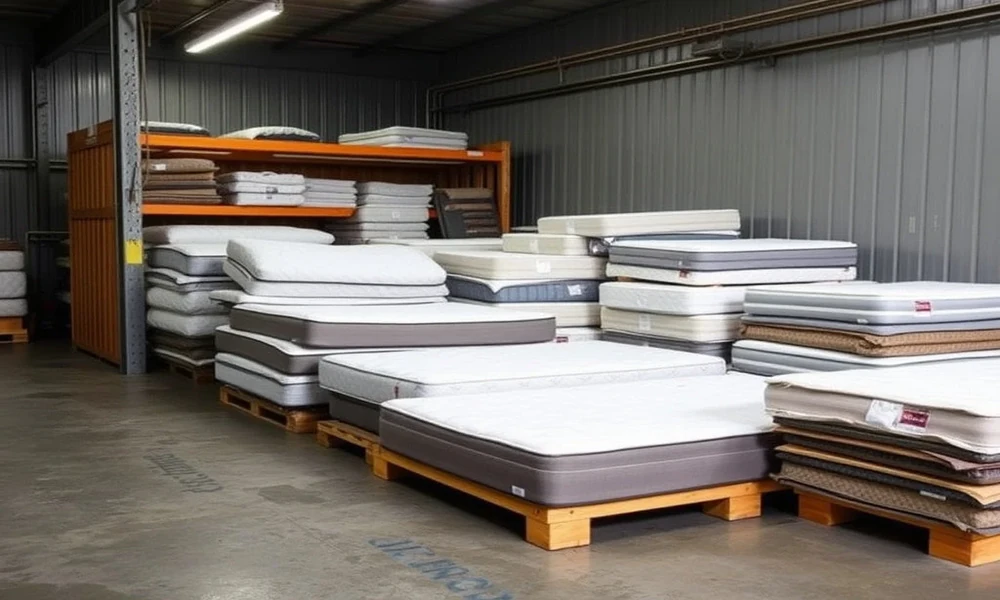
Getting rid of an old mattress in Ontario is not as simple as dragging it to the curb and hoping for the best. Mattresses are bulky, tough to break down, and filled with materials that can wreak havoc on the environment if tossed in a landfill. Yet, millions end up there each year, taking up valuable space and leaching chemicals. Ontario communities have started responding with better systems, but responsible disposal still requires some know-how.
Why Proper Mattress Disposal Matters in Ontario
Improper mattress disposal presents a surprisingly big problem. When mattresses end up in landfills, they don’t decompose easily. Their metal springs damage equipment, and their foam and fabrics release toxic substances as they break down. Ontario’s commitment to environmental stewardship comes into play here, as the province seeks to reduce both landfill waste and pollution.
Ontario regulates waste management closely, requiring municipalities to divert bulky items wherever possible. Recycling options, when used, can reclaim up to 90% of a mattress’s materials. From steel springs to foam and textiles, each component can be repurposed, reducing the need for virgin resources and cutting greenhouse gas emissions.
Understanding Local Mattress Disposal Options
Communities across Ontario offer a patchwork of disposal options. Many municipalities provide curbside collection for bulky items, but not all accept mattresses because they are difficult to handle and process. Some cities charge an extra fee, while others hold special collection events a few times a year.
Private recycling services are filling the gaps. Companies such as Recyc-Matelas Canada operate dedicated facilities, including a Toronto branch, that specialize in breaking down and repurposing mattress materials. These services may pick up your mattress for a fee or accept drop-offs at specific locations.
Drop-off depots are another route. Some waste management centers accept mattresses if you deliver them yourself. However, accessibility varies widely, especially in rural or smaller communities.
Step-by-Step Guide to Mattress Disposal in Ontario Communities
Getting it right takes a little planning, but it’s straightforward when you know the steps.
1. Check Local Rules: Visit your municipality’s waste management website to see if they accept mattresses and under what conditions.
2. Prepare the Mattress: Remove bedding and ensure the mattress is dry and free from pests. Wet or infested mattresses are often rejected.
3. Book a Pickup or Drop-Off: Arrange for municipal collection if offered, or schedule a drop-off at your local depot. Be aware of any fees.
4. Explore Private Options: If local collection is unavailable or inconvenient, contact a third-party recycler. Recyc-Matelas Ontario is a resource for arranging pickup or locating drop-off sites in the Greater Toronto Area and beyond.
5. Follow Up: If you use a private service, keep any receipts or confirmation in case you need proof of responsible disposal.
Case Study: Toronto’s Approach to Mattress Recycling
Toronto stands out for its mattress recycling efforts. The city partners with private recyclers, including its local Recyc-Matelas branch, to divert thousands of mattresses each year. These collaborations streamline logistics, allowing residents to dispose of mattresses with regular bulky waste, knowing that recyclers will process them responsibly.
Community engagement has been key. Public awareness campaigns and easy scheduling have boosted participation. While initial challenges included contamination and illegal dumping, the city overhauled procedures, increased signage, and added staff training to improve compliance.
Case Study: Smaller Ontario Communities and Mattress Disposal
Smaller towns face unique hurdles. Limited budgets and longer distances to recycling facilities make mattress diversion more challenging. Some have responded with innovative solutions, such as partnering with local charities or holding annual collection drives. Community volunteers often play a role, loading trucks and spreading the word about proper disposal.
These efforts reveal that education and community spirit can make a difference where municipal infrastructure is limited. Sharing resources between towns and seeking regional recycling partnerships have proven particularly effective.
What Happens After Collection? Inside Mattress Recycling Facilities
Once collected, mattresses are transported to specialized facilities. The process begins with sorting, workers separate out steel, foam, wood, and fabric. Each material follows a different path: metal springs head to scrap recyclers, foam is cleaned and chipped for carpet underlay, and fabric may become industrial rags.
Recycling mattresses cuts down on landfill use and creates jobs in local communities. The reclaimed materials find new life, turning waste into resources and supporting Ontario’s circular economy.
Tips for Residents to Support Sustainable Mattress Disposal
– Choose eco-friendly mattresses: When buying new, look for products designed for disassembly or made from recyclable materials.
– Donate if possible: If your mattress is clean and gently used, local shelters or charities may accept it.
– Stay informed: Monitor your municipality’s waste management updates and recycling events. Every community has different rules and schedules.
Future Trends and Opportunities in Mattress Disposal
New technologies, including automated dismantling and chemical recycling, promise to make mattress recycling more efficient and accessible. Policy discussions in Ontario are moving toward standardized mattress recycling requirements. Communities can advocate for better solutions by supporting municipal programs, participating in public consultations, and choosing responsible disposal options themselves.
Proper mattress disposal is more than a chore; it’s a chance for everyone to help keep Ontario cleaner, greener, and forward-thinking.

Comments are closed.