Author

admin

Browsing

The average July afternoon in Tucson hits triple digits, and your house is a masonry oven by 3 p.m. If you bought a cooling system in a panic during a heat wave, you already know how that story ends. I have watched neighbors sign on the dotted line within an hour of a breakdown, and

I have watched two of them replace that same unit four summers later. The difference between a system that lasts fifteen seasons and one that limps through six rarely comes down to brand loyalty. It comes down to three decisions you can make before anyone knocks on your door: sizing, timing, and the installer you let through the gate.

This is the version of the conversation I wish someone had with me. Sizing gets covered first because it is where most of the money leaks out, then timing, then how to read a quote when every proposal has a different number at the bottom.

Why Sizing Beats Brand Every Single Time

A bigger unit is not a safer unit. It is a more expensive unit that cools your house unevenly. This trips up almost every homeowner I talk to.

When a system is oversized, it blasts cold air, drops the thermostat reading in a hurry, and shuts off before it has pulled the humidity out of your air. You get a house that feels clammy at 76 degrees while your neighbor’s properly matched unit feels crisp at 78. Cooling equipment is rated by capacity, and matching that capacity to your home is the job of a load calculation, not a catalog chart. The trade association that certifies these design methods, ACCA, publishes the manual contractors are supposed to use, and it accounts for square footage, ceiling height, window orientation, insulation, and how much sun that west facing wall eats every afternoon.

Tucson’s west exposures are brutal, and a house in Vail does not load the same way as a 1950s ranch near Fort Lowell. Here is the pressure test I like. Ask whether the technician will do a room by room load calculation. If the answer involves a rule of thumb like one ton per 500 square feet, that quote is a guess with a price tag. A properly sized system cycles less, holds consistent temperature room to room, and keeps better control of moisture. Get this part right and the rest is bookkeeping.

The Timing Nobody Wants to Hear

You want to buy your air conditioner in February. I know. Nobody wants to spend a Saturday in February thinking about their compressor.

But demand shapes everything. Contractors are slammed from May through September, and summer scheduling means longer waits, faster installs, and less patience for the fiddly details. Spring and fall are slower, which translates into more attention on the work and, often, better pricing.

The U.S. Department of Energy offers sensible guidance on seasonal timing and system selection, and the logic is simple: replacement planning beats replacement reacting. If a contractor tells you they can have a full crew at your house tomorrow in July, ask them where that crew came from and whether they will still be the same people on install day.

If your unit dies in July anyway, you are not doomed. You are just negotiating from a weaker seat. Know that going in, get everything in writing, and don’t rush the load calculation no matter how hot it is inside.

What a Good Quote Actually Looks Like

Three bids, three different totals, and nobody used the same line items. Welcome to HVAC.

A useful proposal answers these questions without you having to ask:

  • What is the exact model number, and what is its efficiency rating?
  • Was a load calculation performed, and will you get a copy?
  • What happens to the existing line set, pad, and disconnect?
  • Does the price cover permits, haul away, and a thermostat swap?
  • What is the labor warranty length, separate from the manufacturer’s parts warranty?
  • Who shows up on install day, employees or a rotating cast of subcontractors?

Two of those matter more than the rest. The labor warranty tells you how confident the company is in its own work, and the permit question tells you whether the job will be inspected. Skipped permits show up later as resale headaches.

Choosing an Installer Without Getting Burned

Licensing, insurance, and bonding are not paperwork theater. Call the state and confirm all three, and read the license number off the written proposal rather than from a truck wrap.

Then look for signs of stability. A company with a local address, a service history longer than a decade, and technicians who have been with them a while is a different animal than a one truck operation that appeared last spring. Longevity matters more in the desert than almost anywhere because desert duty cycles are savage. Systems here run from April into October, and a unit that would coast through a decade in a mild climate gets tested to its limit in half that time. The

U.S. Environmental Protection Agency maintains resources on refrigerant handling and certification, and any technician working with refrigerant should hold the credentials to do it legally. Ask to see them. A good crew will not blink. If you want the full picture on what installation, replacement, and follow up service look like in one place, AC installation in Tucson AZ lays out the scope of what a local provider typically handles, from load calculations through ductless mini split options. It is also a useful checklist for comparing whatever proposals are sitting on your kitchen table.

My Monsoon Week Framework

This is the routine I run every year in the third week of June, and it has saved me twice. I call it Monsoon Week because once the storms hit, nobody can get a technician out for love or money.

Day one: Replace the filter. Write the date on the new one with a marker, and note it in your phone. Filters are the cheapest insurance you own.

Day two: Stand outside at 2 p.m. and listen. A strained compressor has a note you can hear once you know it, and a rattling condenser fan is a part on borrowed time.

Day three: Run the math on your electric bill against last June. A creeping increase with no change in habits usually points to a system working harder than it should.

Day four: Walk the house with your hand at every supply register. Uneven airflow is a duct problem, and duct problems get worse when the attic turns into a furnace.

Four days, no special tools, and you catch small problems while they are still small. The January version is easy. The July version is a $200 service call or worse.

The Only Two Questions That Matter

Will this system be correctly sized for this specific house, and will the people installing it still be in business when something goes wrong? Everything else is brand marketing and finance terms.

Plenty of homeowners go the other direction. They buy the loudest brand name on the truck and skip the load calculation because it sounds like a formality. That trade usually turns out badly, and it turns out badly in August, which is the worst possible month to learn a lesson about your air conditioner.

Get your quotes before the heat arrives. Ask the uncomfortable questions, get the load calculation in writing, and confirm the license before you sign anything. Then file the paperwork somewhere you will actually find it, because in five years when you sell the house, the buyer is going to ask about that system, and you will want to hand them a folder instead of a shrug.


At a weekend gathering, someone set a folded chair beside the truck bed because there wasn’t enough room inside. That small choice said more than a sales description could. Bed space matters when real belongings need to travel. The listing at https://www.mavericktoyota.com/used-vehicles-san-diego/tacoma gives a starting point for comparing available choices. The useful question is whether the bed arrangement matches the work ahead.

Bed Length Changes Daily Use

A truck bed isn’t just an empty box. Its dimensions affect what can be carried and how items are arranged. A shorter bed may suit ordinary errands where cargo remains compact. Longer space can help when boards, tools, outdoor equipment, or large containers need room.

Think about the items that regularly need transportation. Measure them if possible. Guessing can lead to an awkward fit later.

  • Measure bulky items before deciding on suitable bed space.
  • Check tie down points when securing loose cargo during travel.
  • Consider loading height for heavier objects moved without assistance.
  • Leave room around cargo for safer handling during unloading.

Match Space To Actual Habits

Bed configuration should follow real use rather than an imagined list of future needs. Someone carrying small equipment several times each week may value easy loading more than maximum length. Another owner might need additional room for larger materials.

A useful comparison starts with ordinary tasks. Used Tacoma bed configurations should be judged according to those tasks rather than appearance alone. That simple distinction can prevent choosing more space than necessary or discovering too little room later.

The bed isn’t the only factor. Rear seating, parking needs, turning space, and overall vehicle size can affect everyday decisions too.

Think About Loading and Unloading

Loading conditions often reveal differences that measurements alone don’t show. A bed may have enough length yet still feel inconvenient when heavy objects must be lifted repeatedly. Tailgate position, bed height, and available tie down points can influence the process.

Frequency matters here. Moving one large item once a year is different from handling equipment every week. Repeated lifting can make small design differences more noticeable over time.

Weather can matter as well. Cargo that needs protection may require suitable covers or containers. Those additions take up space, so the usable area should be considered rather than the empty dimensions alone.

Consider Who Uses the SpaceBed choice can change depending on who normally handles the cargo. One person may load everything alone. Another may regularly have assistance from a second person.

Group needs can also affect how much room remains after everyday supplies are added. A family outing may require passenger space first, while work-related duties could place greater emphasis on the rear bed.

There isn’t one ideal arrangement for every owner. A practical choice comes from matching dimensions to actual habits, physical effort, and the type of cargo handled most often.

Compare Configurations Before Deciding

A simple comparison can make the differences easier to judge. Instead of focusing on a single measurement, consider how each arrangement affects loading, storage, and daily movement.

Questions Worth Asking Before Purchase

A few direct questions can prevent confusion when comparing available choices. The answers should come from actual measurements and regular usage rather than assumptions.

  • Which bed size suits regular carrying needs? Choose the arrangement that accommodates your most common cargo without unnecessary unused space.
  • Should large items be measured beforehand? Yes. Measurements provide a clearer answer than estimating from appearance.
  • Does loading height matter? Yes. Frequent lifting can make height an important practical consideration.
  • Are tie down points worth checking? Yes. They help secure cargo during normal road movement.
  • Should parking space influence the choice? Yes. A larger overall vehicle can require more room in tight areas.

A Small Detail Can Matter

The folded chair from that gathering was never the real problem. The issue was simply that available space had been assumed rather than considered. Bed configuration works much the same way. A few inches can change how an item sits, where another object goes, or whether loading feels manageable.

Good decisions come from checking actual belongings, measuring available space, and considering how often those tasks occur. The right arrangement doesn’t need to offer the most room. It needs to provide useful room without creating problems elsewhere.

Before making a choice, review the bed dimensions alongside passenger needs, parking conditions, cargo weight, and loading habits. That gives the comparison a practical foundation. A tape measure and a short list of regular tasks can often reveal more than a long feature sheet.

More than half of American adults are not meeting basic physical activity guidelines. Not because they don’t care, and not because they’ve never tried. Most of them have tried, more than once, and the habit just didn’t hold. That’s the real problem nobody talks about: starting is easy, staying is not.

This piece is not about motivation. Motivation fades by the third Tuesday. What actually works is a specific architecture for your behavior, one that survives a bad week, a work deadline, and a rainy Thursday when your couch feels irresistibly logical. Here’s how to build it.

The Numbers Tell an Uncomfortable Story

Before building the fix, it helps to understand the scale of the problem. According to the CDC’s April 2026 National Health Statistics Report, only 47.2% of U.S. adults aged 18 and older met federal guidelines for aerobic physical activity in 2024. That means the majority of adults are missing even the aerobic bar, before you factor in resistance training.

The muscle-strengthening picture is worse. Resistance work is the component most adults skip entirely, and it’s the one that pays some of the largest dividends over time, including improved metabolic rate, better joint stability, and preserved muscle mass as you age. Yet most people build their “gym habit” entirely around treadmill time and never touch a weight rack.

These aren’t failures of character. They’re failures of system design. People set the wrong triggers, choose the wrong environments, and skip the one phase that actually cements a habit: the friction audit.

The Commitment Stack: A Framework That Works in the Real World

Here’s a concept worth naming plainly: the Commitment Stack. It has four layers, and each one must be in place before the next one does anything useful.

  1. Anchor the behavior to an existing routine. Don’t schedule a workout at 6 a.m. because it sounds disciplined. Schedule it immediately before or after something you already do without thinking: before your morning coffee, right after you drop the kids at school, or the moment you leave the office. The existing behavior carries your new one.
  2. Shrink the goal until failure feels impossible. Two sets of squats counts. A 20-minute walk counts. The nervous system doesn’t care about duration in the early weeks; it cares about repetition. Show up for the small version, and the larger version follows on its own.
  3. Control the environment before you control the behavior. Lay out your gym clothes the night before. Keep a gym bag in your car. Remove the decisions that give your brain a reason to negotiate. Friction is the enemy, and reducing it is a skill.
  4. Build in a social consequence. Tell a friend, join a class, or find a community with scheduled times. The moment someone else expects you, the habit gets a new weight bearing down on it. That weight works in your favor.

Most habit guides stop at one or two of these layers. That’s why most habit guides don’t actually change behavior. All four layers together create enough structural pressure to survive the inevitable bad week.

Where Strength Training Fits In (and Why It Has to Come Early)

A lot of people treat cardio as the gateway and plan to “add weights later.” That’s backwards. Resistance training builds the structural changes that make everything else feel easier, and federal Healthy People 2030 data from the U.S. Department of Health and Human Services shows that adults aged 18 to 44 have the highest rate of meeting both aerobic and muscle-strengthening guidelines at only 32.1%, meaning even the most active age group is largely skipping the resistance component. Don’t save it for later. Put it in the first week.

The practical case for resistance training in the early weeks of a new habit is simple: it produces visible, felt results faster than steady-state cardio does. You feel stronger after two weeks. You notice posture changes. Those small wins are exactly what a fragile new habit needs to survive the first month.

This is where community resources become genuinely useful. Take, for example, Strength training in Central Kentucky through the YMCA of Central Kentucky. A structured program inside a physical location, with scheduled class times and an existing community, does the fourth layer of the Commitment Stack for you without any extra effort on your part.

The Wednesday Problem (And How to Solve It Before It Happens)

Here’s a concrete scenario worth thinking through before it happens to you. It’s Wednesday evening. You worked through lunch. Your shoulders ache. The gym is 12 minutes away. Your couch is six feet away. Every version of this story ends the same way unless you’ve already made the decision before Wednesday arrives.

Solve it in advance with a simple rule: define your “minimum viable session” for each day of the week. Wednesday’s minimum viable session might be 15 minutes of bodyweight work in your living room. That’s it. The only rule is that you do something. A minimum viable session keeps the habit chain intact on bad days, and an unbroken chain is worth far more than any single heroic workout.

The people who maintain long-term fitness habits are not the ones who never skip. They’re the ones who never skip twice in a row. That distinction matters more than any training program you’ll ever buy.

A Realistic Timeline for Habit Formation

Week Range What’s Happening Neurologically Your Only Job
Weeks 1 to 2 Neural pathways forming; behavior feels effortful Show up every scheduled day, even for 15 minutes
Weeks 3 to 4 Dopamine response building; small wins feel real Add one resistance exercise per session
Weeks 5 to 8 Habit loop beginning to automate Increase duration or load; miss zero weeks
Weeks 9 and beyond Behavior becoming identity-level; skipping feels wrong Protect the schedule the same way you protect a work meeting

This timeline isn’t pulled from a self-help bestseller. It reflects how behavioral loops actually consolidate. The research on habit formation consistently shows that complexity of the behavior, not just repetition, determines how long automation takes. That’s why a simple, anchored, low-friction version of your gym routine consolidates faster than an ambitious six-day program.

“The best exercise program is the one you actually do.” This observation from exercise science educators isn’t a platitude; it’s a design principle. Adherence beats optimization every single time.

The One Adjustment That Changes Everything After Month One

Once the habit has survived four to six weeks, make one change: add a progression metric. Track something, anything measurable. The weight you’re lifting, the number of push-ups you can do, your resting heart rate, your session duration. The metric doesn’t matter much. What matters is that you’re now playing a game with a score, and humans are wired to keep playing games they can see themselves winning.

Progress tracking shifts your identity from “someone who goes to the gym” to “someone who is getting stronger.” That identity shift is the last structural piece, and it’s what separates the people who maintain the habit for years from the ones who quit after the initial motivation wears off.

You already know what to do. The only question left is whether your system is built to support you when life gets in the way, because it will. Build the system first. Everything else follows.

Key Takeaways

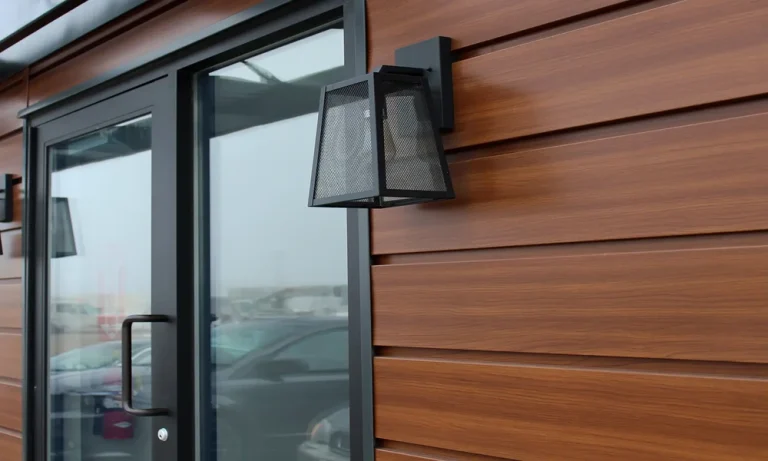
Outdoor faux wood panels serve as a budget-friendly substitute for genuine wood, combining visual allure with lower costs and less need for upkeep.

These panels boast impressive durability and weather resistance, often lasting for decades while requiring significantly less maintenance than natural wood.

The adaptability of faux wood panels enables a wide range of uses, from enhancing patios and defining garden borders to creating decorative fences, all while adding creative flair to outdoor environments at an affordable price.

When choosing faux wood panels, it’s essential to consider key elements such as color, texture, and finish. This ensures a seamless blend with existing design features.

Experts suggest selecting colors and textures that closely resemble those found in natural wood, blending authenticity with the practical advantages of synthetic materials.

To successfully install faux wood panels as a DIY project, adequate preparation and the right tools simplify the process remarkably.

A well-laid plan helps the installation move along without a hitch. The process involves preparation, careful measurement, and secure fastening to achieve high-quality results.

Unveiling the Advantages of Faux Wood Panels in Outdoor Spaces

How Faux Wood Panels Bring Style Without Breaking the Bank

In recent years, the popularity of outdoor faux wood panels has skyrocketed among homeowners eager to blend aesthetic charm with cost-effectiveness. These panels capture the timeless look of wood while bypassing the steep expenses tied to genuine timber. It’s noteworthy that they do this without compromising on elegance or quality. This aspect is precisely why many professionals endorse faux wood panels. They are crafted to emulate the rich textures found in hardwood, imparting a cozy, welcoming atmosphere.

Clients are often delighted to discover the variety of designs available in the faux wood sector. From rustic motifs to sleek, modern styles, the choices are abundant. This design flexibility empowers homeowners to create their dream outdoor spaces without feeling overwhelmed by costs.

With faux wood, the message is clear: There’s no need for style to come at a high price. Plus, the savings on maintenance cannot be overlooked. Unlike natural wood, these panels resist issues like warping, fading, and pest infestations, making them a practical choice for those seeking both aesthetic and functional appeal.

Long-lasting Durability: Why Faux Wood Reigns Supreme

When it comes to exterior materials, durability is a significant factor. While natural wood may captivate certain aesthetic preferences, it often falters when faced with harsh environmental conditions. This is where outdoor faux wood panels excel. Unlike their organic counterparts, these synthetic panels effectively resist rot and decay. Typically, clients enjoy a lifespan measured in decades, minimizing the frequent need for replacements.

Engineered for weather resistance, faux panels maintain their color and visual appeal even when exposed to intense sunlight, heavy rainfall, or frigid temperatures. They’re not just visually appealing; they’re also practical, designed to endure without compromising on aesthetics. This leads to minimal maintenance efforts. Often, a simple wash with a water-dampened sponge is sufficient to keep them looking their best.

“Faux wood panels redefine durability while maintaining an immaculate look, revolutionizing outdoor aesthetics.”

Versatile Applications for Outdoor Faux Wood Panels

Transforming Patios: From Ordinary to Extraordinary

For homeowners looking to revamp their patios, outdoor faux wood panels present an exciting possibility. Incorporating these panels into patio designs can elevate a space from mundane to remarkable in a surprisingly short timeframe. Picture transforming a bland area into a stylish lounge that exudes the charm of reclaimed wood, all while staying within budget.

  • Add Texture: Panels can serve as walls or partitions, crafting more intimate areas.
  • Accent Features: Get creative with paneling for pillars, fire pits, or built-in benches.
  • Design Flairs: Experiment with layered design elements, mixing various textures and patterns.

Clients often feel inspired to explore different layout configurations. The versatility of faux wood invites creative projects that can transform the overall ambiance of an outdoor space, without overwhelming financial implications.

Creative Uses in Gardens and Landscaping

The allure of faux wood panels extends well beyond patios into gardens and landscaping projects. These panels can act as decorative borders, serve as vertical gardens, or function as fencing that complements natural surroundings. But where to begin? Here are some clever applications:

  • Raised Garden Beds: They create stunning visuals while preserving soil quality.
  • Retaining Walls: Faux wood panels can establish stylish barriers that prevent soil erosion.
  • Garden Dividers: These panels can delineate areas for different plants while adding visual interest.

Such applications underscore the incredible adaptability of faux wood, making it a valuable component in a variety of landscaping initiatives.

Choosing the Right Faux Wood Panels for Your Project

Key Factors to Consider for Maximum Aesthetic Appeal

Choosing the ideal faux wood panels isn’t solely about price; it’s about ensuring the right fit for particular projects. Experts recommend being aware of several key factors prior to making selections. Aspects such as color, texture, and finish significantly influence the aesthetic success of the design. A single wrong decision can impact the overall visual effect.

  • Color Coordination: Consider harmony with surrounding elements, from furniture to garden flora.
  • Texture Matching: Choose between smooth finishes for a contemporary appearance or rougher textures for a more rustic vibe.
  • Finish Durability: Verify that the surface finish can withstand outdoor conditions.

Homeowners should take care not to rush through this decision. Instead, investing time in exploring options can yield both lasting satisfaction and stunning aesthetics.

Expert Recommendations: Colors and Textures That Pop

When it comes to selecting vibrant colors and textures, the difference can be significant. Professionals often suggest focusing on textures that replicate natural materials. This results in the illusion of authenticity while enjoying the advantages of synthetic products. Current trends frequently feature deep browns or rich grays, which complement a variety of landscaping themes. As for accents? Whites or creams can add striking contrasts.

Yet, one mustn’t forget personal preference! Choosing elements that resonate with individual style greatly enhances the satisfaction derived from the final result.

Installation Insights: Expert Tips for a Flawless Finish

Essential Tools and Techniques for DIY Installation

For those tackling a DIY project using outdoor faux wood panels, preparation is crucial. Newcomers may feel intimidated by the complexity of the task. Here’s a handy tip: gathering necessary tools ahead of time can simplify the undertaking significantly. Recommended tools often include:

  • Measuring Tape: Accurate measurements help minimize waste.
  • Power Drill: Essential for quick and secure installation.
  • Level: Ensures straight lines and even placements.

Installation techniques are equally important. Experts typically advise starting small. Creating a sample section allows for adjustments before committing to larger areas.

What to Expect During the Installation Process

Installation might seem intimidating, yet it often goes smoothly with careful planning. However, it’s wise to anticipate the unexpected- minor hiccups can arise. Typically, homeowners should prepare for a few key phases during the installation process:

  • Preparation: Clear the area and assemble all necessary materials.
  • Measurement & Cutting: Always double-check cuts before securing.
  • Secure Installation: Use appropriate fasteners to ensure panels are secured safely.

By adhering to these practices, the installation experience can transform into a rewarding journey that leads to beautiful outdoor settings.

FAQ

What makes faux wood panels suitable for varying climates?

Faux wood panels are designed with weather resistance in mind, enabling them to endure a variety of environmental challenges. Extreme weather, whether blazing heat or freezing temperatures, won’t diminish their structural integrity, making them ideal for diverse climates.

Are faux wood panels environmentally friendly?

Numerous faux wood panels are crafted using sustainable methods, thus lessening the carbon footprint compared to traditional wood harvesting. Clients often appreciate knowing that these products offer aesthetic beauty without contributing to deforestation.

How do faux wood panels compare to composite materials?

While both options bring advantages to the table, faux wood panels usually deliver a more authentic wood-like appearance than composites. Typically, they also require less maintenance, making them a favored option for homeowners seeking style without the extra hassle.

Can faux wood panels be painted or stained?

In many cases, faux wood panels can be painted or stained if the original finish allows for such modifications. However, it’s advisable to consult manufacturer guidelines to ensure alterations won’t void warranties or affect overall performance.

How can faux wood panels enhance home value?

Introducing faux wood panels into outdoor areas can significantly improve curb appeal, potentially increasing home value. Prospective buyers often find aesthetic enhancements paired with low maintenance attractive, making properties that showcase these panels more appealing.

What types of projects are ideal for faux wood panels?

Faux wood panels are suitable for numerous projects, including garden borders, decorative fencing, and accent walls. Their versatility allows homeowners to be inventive, from simple installations to elaborate landscape designs, all without straining the budget.

Are there any warranties available for faux wood panels?

Most manufacturers provide warranties for faux wood panels, generally covering issues such as fading or structural damage. Homeowners are encouraged to review warranty information prior to purchase, ensuring they understand coverage periods and conditions.

What maintenance do faux wood panels require?

Maintaining faux wood panels is fairly uncomplicated. Usually, a simple wash with soap and water can keep them looking fresh. Unlike natural wood, they don’t require staining or sealing, allowing homeowners to relish aesthetically pleasing outdoor areas without constant upkeep.

Useful Resources

Freeze-dried dog treats carry a significant price premium over conventional treats, and not all of that premium reflects actual quality differences. Understanding what justifies the cost – and what’s just marketing positioning – helps make smarter purchasing decisions.

The Processing Advantage

Reviews of the best freeze dried dog treats consistently highlight the processing advantage: freeze-drying preserves nutrient integrity better than heat-based processing. For treats made from high-quality animal proteins, this means the final product more closely resembles the nutritional profile of the raw ingredient than a baked or extruded equivalent would.

The Pet Food Manufacturers Association notes that nutrient retention across different processing methods is an active area of research in pet food science. The practical significance of these differences in a dog’s overall diet is debated, but freeze-dried treats made from quality ingredients are nutritionally superior to treats made from inferior ingredients regardless of processing method.

What to Look for Specifically

Prioritize: single-source protein in the first ingredient position, country of manufacture (domestic production typically means higher food safety standards), absence of artificial preservatives (freeze-drying itself extends shelf life without requiring them), and AAFCO compliance if the product makes nutritional claims.

Practical Value

Freeze-dried treats’ high palatability per calorie makes them economical to use in training contexts – small pieces deliver a high-value reward without significant caloric load. When used strategically rather than freely, the higher per-unit cost is offset by how little you need to use per training session.

Weddings have a funny way of turning even the calmest people into spreadsheet-obsessed, colour-swatch-clutching versions of themselves. There’s a reason for that. A wedding is one of the only events most of us will ever plan that has to satisfy a guest list, a budget, a family history, and – somewhere underneath all of it – two people who just want the day to feel like them. Get the balance right and it’s magic. Get it wrong and you end up with a beautifully catered event that feels like it belongs to someone else entirely.

The good news is that the fundamentals haven’t changed much, even as the details have. Couples are still figuring out venues, outfits, guest lists, and how to keep everyone fed and happy for eight straight hours. What has changed is the sheer amount of help available for each of those decisions, and how much easier it now is to personalise a day that used to follow a fairly rigid template.

Start With the Feeling, Not the Venue

Most planning guides tell you to book a venue first. Fair enough – venues get snapped up fast, and the date often depends on availability. But before any contracts get signed, it’s worth spending an evening talking through what the day should actually feel like. Relaxed and outdoorsy? Formal and candlelit? Loud, dancing-until-2am chaos? That one conversation will save you from second-guessing every decision that follows, from florals to the playlist.

Outfits: Where Personality Actually Shows Up

Bridal parties and close friends spend a surprising amount of the planning window agonising over what to wear, especially for pre-wedding events like engagement parties or rehearsal dinners where the dress code is looser and more open to interpretation. This is usually where people either lean into something bold or panic and default to black. If you’re part of a wedding party trying to coordinate formal-but-not-bridal looks, a browsing tool like Prom Dress Finder is worth a look – it’s built for exactly this kind of formal-dress hunting, letting you filter by colour and silhouette so a group can land on styles that complement each other without everyone showing up in a matching set.

Guests, Gatecrashers, and Getting the List Right

Guest list arguments are, unfortunately, a rite of passage. Every couple hits the same wall: the venue caps numbers, the budget caps numbers, and somehow everyone’s mother has a slightly different idea of who counts as family. There isn’t a clever hack around this one – it just takes a clear, shared set of rules (plus-ones only for long-term partners, no work colleagues unless they’re genuine friends, that sort of thing) agreed early, so nobody has to make an awkward call two weeks before the big day.

Once the list is locked, etiquette questions tend to follow – who pays for what, how to word invitations for blended families, whether a destination wedding is fair to ask of guests. For couples wanting a grounded reference point rather than conflicting opinions from every aunt in the group chat, Emily Post’s wedding etiquette guides are a genuinely useful, non-judgemental starting point.

Capturing the Day Without a Hundred Separate Camera Rolls

Professional photography covers the formal shots, but it’s the guest photos – the candid, slightly blurry, completely unposed ones – that usually end up being the most treasured a year later. The trouble is that those shots normally scatter across dozens of phones and never make it further than someone’s camera roll. Setting up a shared album through something like Wedding Photo Swap solves that fairly neatly: guests upload as they go, and the couple ends up with a proper archive instead of chasing everyone individually for photos weeks after the honeymoon.

Who’s Actually Running the Show

Somewhere behind every wedding that runs smoothly is a coordinator quietly solving problems the couple never even hears about – a late florist, a seating chart reshuffle, a best man who’s lost the rings twice. It’s a genuinely demanding job, and one more people are actively training for these days. If you’re curious about what goes into that role, or you’ve got a friend who keeps saying they’d love to plan events for a living, we’ve written before about what it actually takes to start a career in event management, including the courses and skills involved.

The Bit Everyone Forgets: Building In Slack

Every wedding timeline looks tidy on paper. In practice, hair and makeup runs long, the photographer needs an extra fifteen minutes for golden-hour shots, and someone’s shoe breaks in the car park. Building buffer time into the schedule – an extra thirty minutes here, a spare hour there – is the single most underrated piece of wedding planning advice, and almost nobody follows it until they’ve been to (or had) a wedding that ran off the rails by 4pm.

None of this needs to be complicated. Weddings get overwhelming when every decision feels equally urgent, so it helps to separate the handful of choices that genuinely define the day – venue, guest list, the people you trust to help run it – from the smaller ones that can be figured out later, or delegated entirely. Do that, and the rest tends to fall into place with far less stress than the wedding industry would have you believe.

A new heat pump can improve comfort, energy control, and year-round temperature support at home. Meanwhile, the purchase still needs careful review because equipment choice and project scope affect the final cost. A clear payment plan helps homeowners feel prepared before any contractor visit or system quote.

Homeowners who review financing and rebates for new heat pump systems can see the project cost with greater clarity. Payment plans, rebate support, and credit terms can change the amount due at the start. So, this post will explain practical finance points that matter before a new heat pump purchase.

Start With the Complete Project Estimate

A heat pump estimate should show the full project, not just the equipment price. Labor, electrical updates, indoor unit placement, line sets, and permit needs can affect the total. Clear cost details help homeowners compare options without confusion after the work date is set.

A complete estimate should also explain equipment size, efficiency rating, warranty terms, and any add-on work. The homeowner should ask which items are included and which costs may appear later. This review helps prevent budget gaps before the final agreement moves ahead, especially when the project needs electrical or duct adjustments.

Review Rebates Before Selecting Equipment

Rebates can reduce the net cost when the selected system meets program rules. Some programs may depend on equipment type, efficiency level, home use, or local utility requirements. The rebate review should happen before equipment selection because eligibility can shape the best choice.

A contractor may help identify available rebate paths and required documents. Homeowners should still keep copies of product details, forms, approval letters, and final invoices. Organized records make the rebate process easier after the system has been installed, and they may help resolve questions during program review.

Look Closely at Installment Payment Plans

Installment plans can divide a large project cost into predictable monthly payments. This option can help a household protect cash reserves while still moving forward with needed comfort upgrades. The monthly amount should fit the budget after normal bills, seasonal expenses, and possible service costs are considered.

The plan terms deserve close review before approval. Interest rate, loan length, due date, fees, and early payoff rules all affect the true cost. A fixed payment can support better budget control across the full term and reduce surprise pressure after the system starts service.

Check Promotional Credit Terms Carefully

Some heat pump finance offers include a reduced interest period for qualified buyers. These plans may work well when the balance can be paid within the stated window. The homeowner should read the full credit terms before the first payment is due.

Reliable home comfort companies can help homeowners review financing and rebates for new heat pump systems with clear project details. A dependable service provider should explain eligible offers, payment terms, rebate steps, and equipment requirements before approval. This guidance helps homeowners choose a payment option that fits the system, the home, and the budget.

Consider Comfort Value Across Future Seasons

A heat pump provides both warm and cool air through one central comfort plan. That long-term use should be part of the financial review before purchase. A lower upfront price may have less value if the system does not fit the home well.

Homeowners should think about how long they plan to stay in the property. A long-term owner may place greater value on efficiency, warranty strength, and stable comfort. A short-term owner may focus on property appeal, equipment dependability, and a smooth installation timeline.

A new heat pump purchase deserves a careful look at cost, payment terms, rebate options, and future comfort value. The strongest finance choice should match the household budget and the system that best fits the home. With a clear estimate and the right records, homeowners can make the investment feel easier to manage.

Choosing the right personal injury lawyer in Everett can feel daunting. Legal matters, especially dealing with personal injury, require careful consideration. A knowledgeable lawyer helps navigate complexities and can impact the results significantly. When looking for a lawyer, focus on three aspects: experience, reputation, and communication. Experienced lawyers understand the nuances of personal injury cases, making them invaluable. Reputation matters, too. It often reflects a lawyer’s capability and reliability. Strong communication ensures they understand your needs and keep you informed. One practice that embodies these qualities is Murphy Trial Law. They have a proven track record in handling personal injury cases. Their focus remains on achieving the best for their clients. By considering these factors, you can make an informed choice. A good lawyer is not just about legal representation. They provide support and guidance during challenging times. Rest assured, finding the right lawyer makes a significant difference in your case.

Understanding Experience

Experience in personal injury law involves years of practice in dealing with similar cases. A seasoned lawyer has encountered a range of scenarios, honing skills that are crucial for your case. They understand the complexities of the legal system and how to navigate them effectively. For instance, if you are dealing with a car accident case, an experienced lawyer will know the ins and outs of traffic laws and how they apply to your situation. This understanding can make an important difference in how your case proceeds and concludes. It’s wise to ask potential lawyers about the number of cases they have handled in your specific area of concern.

Evaluating Reputation

Reputation is another essential factor when choosing a personal injury lawyer. It serves as a testament to a lawyer’s competence and ethical standards. Checking reviews and referrals is a reliable method to gauge a lawyer’s standing. Many professional organizations rate and review attorneys, providing a solid foundation for your decision. Consider checking resources like the American Bar Association for insights into a lawyer’s reputation. A lawyer with a good reputation is more likely to have the respect of the court, which can be advantageous for your case.

Importance of Communication

Effective communication is critical in any attorney-client relationship. A lawyer should be approachable and willing to listen to your concerns. They must keep you in the loop about the progress of your case and be available to answer any questions you may have. Open and honest communication builds trust and ensures that you are an active participant in your legal journey. This helps in making informed decisions about your case. A lawyer who communicates effectively can alleviate much of the stress that comes with legal proceedings.

Comparison of Key Lawyer Qualities

Quality Importance Indicators
Experience Very High Years in Practice, Specialization
Reputation High Client Reviews, Professional Ratings
Communication High Availability, Transparency

Making the Decision

After considering these factors, you might wonder how to bring it all together. Start by creating a shortlist of potential lawyers. Conduct initial consultations to discuss your case. During these meetings, assess how well each lawyer meets the criteria of experience, reputation, and communication. Reflect on their responses and your comfort level with them. Remember, the right lawyer will not only represent you in court but will also be a source of support throughout your case.

Conclusion

Choosing the right personal injury lawyer involves more than just picking a name from a list. It requires careful thought and research. By focusing on experience, reputation, and communication, you can find a lawyer who will best serve your needs. Do not rush this decision; take the time to ensure that your choice is well-informed. A well-chosen lawyer is a valuable ally in your journey toward resolution. For further information on legal proceedings and finding qualified legal help, the U.S. Government’s Legal Aid resources can be helpful. Ultimately, the right lawyer can make the path to justice smoother and less stressful.

Beach trips feel far more enjoyable with shore access near the rental property. Many vacation guests seek comfort, ocean views, and fast access to major attraction areas. Condo rentals near Atlantic waters can support smooth vacation plans across every season.

Guests should compare room space, beach distance, and resort access before final reservations. Many travelers choose oceanfront condos in Myrtle Beach because beach access remains close. The area gives guests ocean scenery, food spots, shopping areas, and golf access.

Ocean Views Create Better Vacation Moments

Oceanfront condo stays can improve beach vacations through direct Atlantic shoreline access. Guests can watch sunrise views across private balconies during calm morning hours each day. Wave sounds can bring comfort after beach visits, restaurant trips, and outdoor attraction stops.

Myrtle Beach contains condo resorts beside major beach sections across popular vacation districts. Guests can return from beach visits without long parking searches near crowded shore areas. Short travel routes can help parents manage beach bags, towels, snacks, and extra clothes.

Balcony Space Adds Extra Vacation Comfort

Private balcony space can improve morning coffee breaks beside the Atlantic Ocean scenery. Guests can relax beside ocean views without crowded public spaces near resort areas. Quiet sunset views can create memorable vacation moments across beach travel schedules.

Large Condo Space Supports Group Travel Needs

Hotel rooms can feel cramped during longer beach vacations with larger travel groups. Oceanfront condos can provide kitchen areas, extra bedrooms, and wider common spaces indoors. These features can help guests manage meals, beach gear, clothes, and rest periods.

Myrtle Beach attracts couples, parent groups, golf guests, and summer vacation crowds each season. Extra room space can help guests enjoy meals, games, movies, and evening conversations together. Washer access can help guests manage wet clothes after beach visits during warm weather.

Important features include these vacation advantages:

  • Full kitchens can support breakfast plans before beach visits each morning.
  • Extra bedrooms can help parent groups enjoy better rest during vacations.
  • Balcony views can create peaceful moments beside the Atlantic Ocean scenery.

Beach Access Helps Guests Enjoy More Attractions

Many guests prefer condo rentals near beaches, restaurants, and public attraction areas together. Direct beach access can reduce parking stress near crowded oceanfront sections during the summer months. Parents can return from shore areas without long walks across packed tourist streets.

Myrtle Beach offers golf courses, seafood spots, beach activities, boardwalk sections, and amusement attractions nearby. Broadway at the Beach gives guests shopping, food choices, and entertainment options each evening. The Myrtle Beach Boardwalk contains arcades, snack shops, and ocean scenery near resort areas.

Resort Features Can Reduce Vacation Stress

Vacation schedules can feel smoother when condo resorts contain practical guest features indoors. Kitchen space can help guests prepare snacks, breakfast meals, and quick beach lunches indoors. Pool areas can provide extra recreation during cooler weather near Atlantic shore sections.

Several resort features include:

  • Pool access can help children enjoy water activities beyond beach hours.
  • Parking areas can support easier travel near busy tourist districts.
  • Grocery stores near resorts can help guests prepare simple vacation meals.

Oceanfront Rentals Match Myrtle Beach Vacation Plans

Beach vacations near Atlantic waters can feel better through direct oceanfront condo access. Condo resorts near major attractions can support smooth travel plans across each vacation day. Guests can spend more time near beaches instead of traffic routes and parking areas.

Oceanfront condo rentals can suit short beach trips and longer summer vacation schedules alike. Guests can compare resort features, room layouts, and beach distance before final bookings. Strong condo choices can improve comfort, beach access, and vacation enjoyment across every travel plan.

Beach vacations can feel more enjoyable through ocean views, beach access, and resort comfort. Guests can compare oceanfront condos in Myrtle Beach before choosing resort accommodations near their favorite attractions. Room space, beach distance, and kitchen access deserve close attention before travel dates arrive. Myrtle Beach continues drawing beach guests through Atlantic scenery and popular attraction areas. A strong condo choice can create memorable beach vacations across every travel season.

Seasonal jackpots across online lottery draws follow patterns shaped by forces most players never stop to examine. Prize pools during certain periods grow considerably larger than standard cycles, and that growth does not happen randomly. Five distinct factors consistently influence how these jackpots form, expand, and pay out at different times of year. During peak periods, participation tends to rise as more people แทงหวยออนไลน์, which directly contributes to the expansion of prize pools. Players who recognise these factors ahead of a peak period enter each session with a far clearer picture of what is actually shaping the total sitting in front of them.

1. Participation volume shifts

Holiday periods, public holidays, and major calendar events pull considerably more entries into lottery sessions than quieter months produce. That surge in entries pushes accumulated totals upward faster than standard cycles manage across the same formats. This relationship is direct and measurable. More entries mean larger pools climbing faster across consecutive sessions. Players who time entries around known high-volume windows join sessions where accumulated totals have already climbed well above baseline figures. Recognising which calendar periods drive these surges gives any participant a useful reference point before a peak period opens for entry.

2. Rollover accumulation periods

When consecutive sessions pass without a winner during a high-volume window, accumulated totals compound at a faster rate than quieter periods produce. Peak-period formats with rollover mechanics built into their structure can reach figures several times above their starting point within just a few unclaimed sessions. Worth noting across peak rollover windows:

  • Totals compound faster when entry volumes stay elevated across multiple consecutive sessions
  • Unclaimed peak-period amounts often carry stricter caps than standard monthly formats.
  • Extended rollover runs during busy calendar windows attract first-time entrants who skip regular monthly participation entirely.

3. Pool contribution structures

Certain formats receive direct contributions from sources beyond ticket sales alone. Some allocate a portion of revenue collected during quieter months into a reserve that builds gradually before the peak window opens. Others draw from syndicate entry fees accumulated during the lead-up period.

These structures mean some pools carry a base figure before a single ticket is sold. A jackpot starting above its usual baseline attracts more entries from the very first session, pushing the total higher still. Knowing where a pool draws its starting figure from gives a clearer sense of how large it realistically climbs.

4. Ticket pricing variations

Peak-period sessions sometimes carry different entry pricing from standard monthly formats. Higher per-ticket costs during busy windows generate larger accumulated totals from the same number of participants compared to a standard-priced session running the same format.

Some peak formats offer tiered entry pricing, where different price points access different reward tiers within the same session. Knowing the pricing structure before a peak window opens allows participants to match their entry choice to the tier most relevant to their preferences. That decision, made with full awareness of the pricing structure, leads to a more considered and deliberate entry each time.

5. Calendar event alignment

Formats deliberately scheduled around major calendar events consistently produce larger accumulated totals than those running outside peak windows. New Year sessions, mid-year events, and end-of-year cycles each carry distinct participation patterns, and accumulated figures reflect those patterns directly in their final totals. Lottery formats align their largest events around known high-engagement calendar windows because participation data from previous years support that timing decision. Players who track which calendar events have historically produced the largest totals can plan entry timing with considerably more accuracy than those selecting sessions without any reference to past peak-period performance.

Peak jackpot periods reward players who know what shapes accumulation before a busy window opens. Over time, tracking these peaks will provide a clearer picture of where the largest opportunities consistently appear throughout the year. That awareness, applied before each new peak cycle begins, puts any participant in a considerably stronger position than one selecting entries without reference to what drives peak-period growth.