
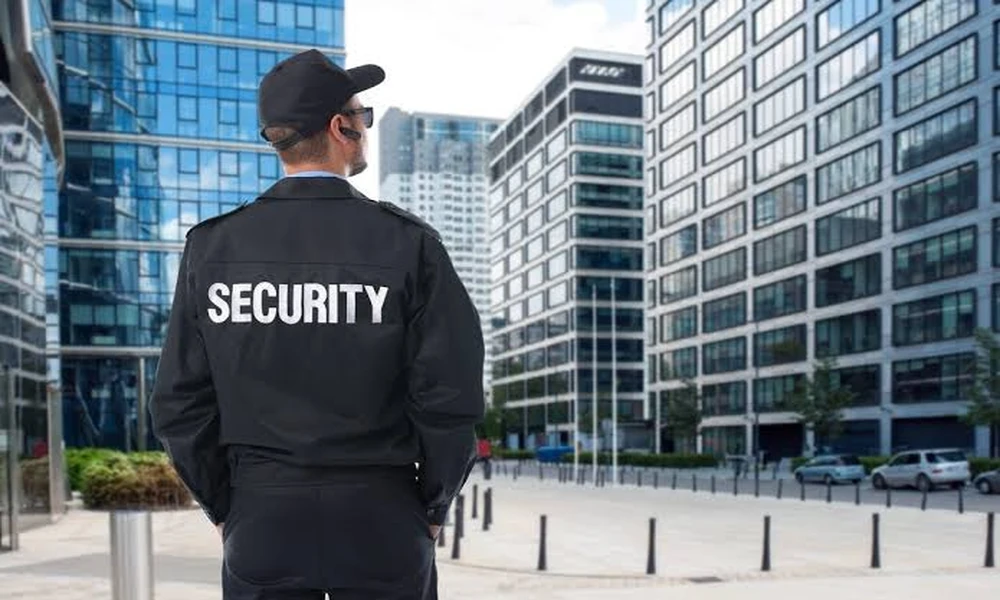
Large properties often contain distant access points, open grounds, service areas, and isolated corners. Mobile patrol support connects these spaces through visible movement and scheduled checks. A practical patrol plan can cover wider zones without placing fixed personnel everywhere. Property managers can learn more about patrol support by examining route design, response procedures, communication methods, and inspection timing.
Mobile Patrols Extend Site Visibility
Mobile units create regular movement across broad grounds. Patrol routes can cover entrances, storage zones, parking areas, and perimeter sections. Scheduled movement discourages unnoticed activity while creating useful inspection records. For large properties, route planning also helps allocate attention toward locations requiring closer observation.
- Routes can cover distant access points.
- Patrols can inspect isolated service areas.
- Officers can document unusual conditions.
- Vehicle movement creates visible security presence.
Can Patrol Routes Cover Remote Zones?
Route planning becomes important across extended property boundaries. Patrol teams can divide large grounds into practical inspection zones. Timing can change according to access patterns, operating hours, and risk points. This approach keeps distant areas connected without requiring permanent staffing at every location.
Communication Keeps Patrol Coverage Connected
Reliable communication supports quick reporting during mobile inspections. Officers can share location details, observations, and urgent concerns with designated contacts. Property managers can learn more about these communication practices when reviewing patrol coordination, reporting procedures, and response arrangements. Clear reporting channels reduce confusion when several areas require attention.
- Officers report unusual conditions promptly.
- Supervisors receive relevant location details.
- Response contacts remain clearly assigned.
- Patrol records support later reviews.
What Makes Large-Site Coverage Efficient?
Efficiency depends on movement, timing, and route priorities. A patrol vehicle can reach separate zones during one scheduled circuit. GPS-supported records can also confirm completed checks where suitable systems are available. However, speed alone does not create useful coverage; thoughtful route design remains essential for consistent inspection quality.
Patrol Checks Support Property Awareness
Regular patrol activity provides fresh observations across changing site conditions. Officers may notice damaged fencing, blocked access routes, lighting faults, or unfamiliar vehicles during routine movement. Such findings can receive attention before becoming larger operational concerns. Written records also help managers identify recurring locations requiring additional controls.
- Officers can record lighting problems.
- Access points receive repeated visual checks.
- Perimeter conditions gain regular attention.
- Reports preserve useful inspection details.
- Route patterns reveal recurring concerns.
Turning Wide Grounds Into Managed Zones
Large properties can feel difficult to monitor when distances separate important areas. Mobile patrols change that equation by connecting scattered locations through planned movement. A route passing a remote gate, service yard, and parking section creates one coordinated inspection cycle. The deeper value comes from continuity: isolated areas become recognized parts of one managed security plan.
FAQs
What does mobile patrol coverage include?
Coverage can include perimeter checks, access inspections, parking areas, service zones, and other locations identified through site planning.
Can routes change across large properties?
Yes. Patrol schedules can adjust according to operating periods, access patterns, site changes, and locations requiring additional attention.
Do patrols provide inspection records?
Depending on the service arrangement, officers can document observations, unusual conditions, completed checks, and relevant incidents.
Why does route planning matter?
Route planning helps connect distant areas through organized movement while directing attention toward locations requiring closer observation.

Comments are closed.