
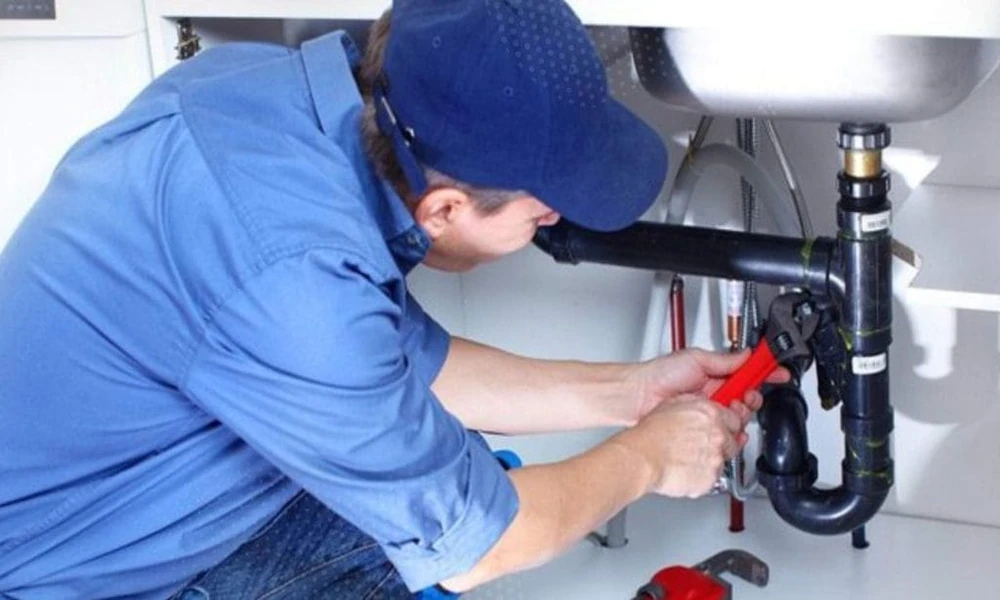
Two things sit under your kitchen sink right now, and I’d bet money you don’t have either of them. A small wrench and a plumbing company you actually trust. The wrench costs twelve bucks. The second one takes a Sunday afternoon and a short phone call to a few local shops, and it’s the part almost nobody does until water is running toward the hallway.
That’s the whole argument of this piece: hire your plumber on a calm Tuesday, not at 2 a.m. with a towel in your hand. Spend an hour narrowing down a short list, ask the same four questions of each candidate, and write the winner’s number on a sticky note inside the cabinet door. When plumbing goes bad, and it will eventually, you’ve already done the hard thinking. You just have to make one call.
If you’re in central Alabama and want a shortcut, you can Contact Birmingham Plumbing Experts and keep the number for later. If you’d rather build your list yourself, which I respect, here’s how I’d do it. This piece covers the two tools that buy you time, the moment waiting stops being a smart move, four questions that separate real shops from call centers, and how to sanity check anyone before they walk through your door.
Two tools that buy you a night
Before we get to people, let’s talk about the ten minutes after you notice a problem. Most acute plumbing trouble at home traces back to one of three sources: a leaking supply line under a sink, a running or leaking toilet, or a drain that’s backing up. Each one has a cheap first response, and knowing it saves you from an expensive emergency call.
The first tool is a shutoff valve, which almost every fixture already has. A small oval handle sits on the wall under your sink and behind your toilet, and turning it clockwise stops the water to that fixture. Older valves, especially the round handles, can be sticky or seized from years of not being touched. Go turn yours a quarter turn and back right now, while nothing is leaking. The one you need is always the one you never tested.
The second tool is a full-house shutoff. It’s usually near the street in a ground box or along the front wall, and it kills water to the whole building. If you’re a renter, get the location from your landlord in writing. If you own the place, find it this week and make sure you can actually turn it without a special tool.
Here’s where I’d draw the line: if water is coming out of a wall or the ceiling, don’t diagnose anything. Cut the main, move anything valuable, and call someone. Drywall can be patched; a soaked subfloor and mold is a project.
When waiting is fine and when it isn’t
Not every drip earns an emergency rate. A toilet that refills slowly, a faucet that sweats a little at the base, a slow tub drain. Those can wait for a scheduled visit during normal hours. You’re paying for a diagnosis either way, so save the after-hours bump for things that can’t wait.
My rule of thumb is based on damage rate, not annoyance level. Ask yourself: how much worse is this in eight hours? A trickle that’s been there for weeks is not an emergency. A hissing sound from inside a wall, water pooling where a pipe runs, or a toilet that won’t stop running after a flush all get worse fast, and those are calls you make now.
| What you’re seeing | Can it wait until morning? | Why |
|---|---|---|
| Slow drain in a single sink | Yes | It’s a clog, not a leak, and nothing is spreading |
| Dripping under a sink, valve turns off cleanly | Yes, once it’s off | Supply is stopped, so damage is stopped with it |
| Water pooled at the base of the water heater | No | A leaking tank usually means replacement, and it can dump fast |
| Toilet won’t shut off after flushing | No | You’re pouring clean water onto your floor every minute |
| Sewage smell or backup in a tub | No | It’s a blockage in the main line and it’s only going one direction |
Four questions that separate real shops from call centers
Plenty of listings use city names in their branding and route your call to a dispatch desk two states away. That’s not automatically bad, but you should know who you’re talking to before you agree to a two-hour window. Call and ask these four things.
- Who is actually coming out, and is that person on your payroll? A shop that sends its own techs can tell you a name.
- Do you charge a trip or diagnostic fee, and does it get credited toward the repair? A straight answer here tells you a lot.
- What’s your after-hours rate, and when does it start? Get the number, not “it depends.”
- Are you licensed, and can you send the license number by text? In Alabama, plumbing work generally falls under state licensing, and a real shop won’t blink at the question.
I’d add a fifth, and this is the one I love: ask them to describe the last weird job they fixed. Anyone who’s actually held a pipe wrench has a story about a refrigerator leak that came from a supply line nobody expected, or a slab leak that started as a warm spot on the tile. If they answer in generic marketing language, that tells you something too.
The Federal Trade Commission has long warned about the pattern behind a lot of home repair complaints: vague quotes, pressure to decide on the spot, and payment demanded before any work starts. Notice that the four questions above are designed to force specifics before anyone shows up at your door.
How to check anyone before they walk in
Once you’ve got a name, spend five minutes on it. Search the business and the owner’s name together. Read the one-star reviews first, because a business that responds to complaints well is usually telling you how it handles a bad day. Local complaints often show up in county or city consumer channels, and the Better Business Bureau keeps records on businesses and how they resolve disputes, which is a reasonable second stop.
When the tech arrives, three things should happen before any work starts. He introduces himself and the company. He diagnoses the problem out loud and shows you what he found, even if that means shining a phone light into a cabinet. He gives you a price before touching a wrench. If any of those steps gets skipped, you’re allowed to say so. You’re the customer, and you were going to be the customer either way.
The tech is also reading you. People who hover silently and ask no questions get the generic treatment. People who ask what the diagnosis means and what happens if they wait get a real explanation. Be the second kind.
The one-page plumber file I keep
This is the part I’d hand to a neighbor. Write these five lines on a card and stick it inside the door under your sink.
The name of the company and the owner. The number to the main line and the after-hours line, if they differ. Where your main shutoff lives, described in plain words, not “under the house.” What the trip fee and the after-hours rate are, in dollars. The date you checked all of it, because rates move and you’ll want to know when the card is stale.
That’s the framework. Call three shops, ask the four questions, pick the one that answered all of them without hedging, and then do nothing with the number until you need it. If you’re in Birmingham and want to skip straight to a short conversation with a local shop, the contact page I mentioned earlier is a fine place to start.
The plumber you hire at 2 a.m. is the plumber you chose on a Tuesday. Whose number is on your sticky note right now, and when did you last check that it’s still the right one?

Comments are closed.