
Key Takeaways
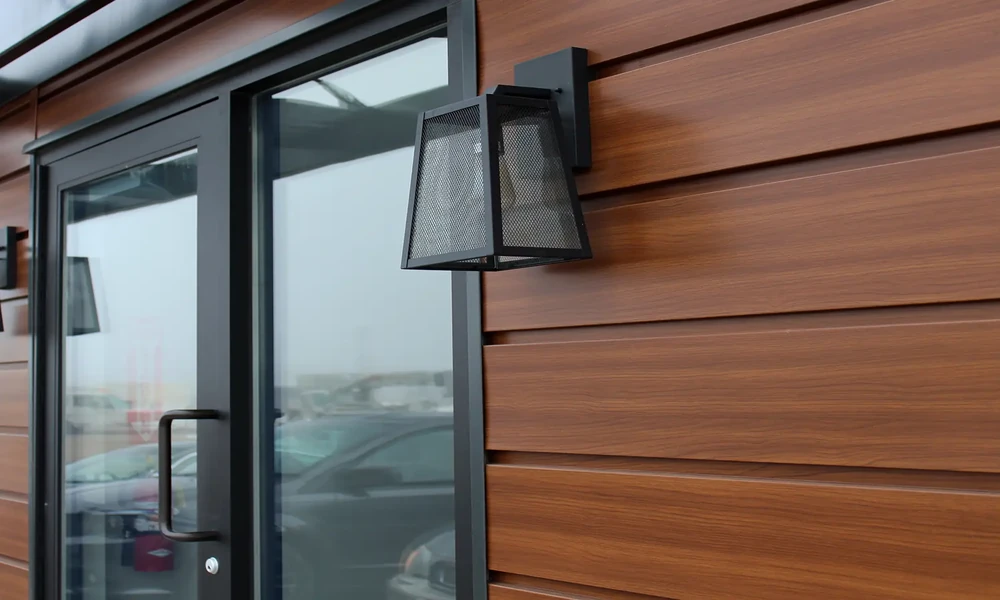
Outdoor faux wood panels serve as a budget-friendly substitute for genuine wood, combining visual allure with lower costs and less need for upkeep.
These panels boast impressive durability and weather resistance, often lasting for decades while requiring significantly less maintenance than natural wood.
The adaptability of faux wood panels enables a wide range of uses, from enhancing patios and defining garden borders to creating decorative fences, all while adding creative flair to outdoor environments at an affordable price.
When choosing faux wood panels, it’s essential to consider key elements such as color, texture, and finish. This ensures a seamless blend with existing design features.
Experts suggest selecting colors and textures that closely resemble those found in natural wood, blending authenticity with the practical advantages of synthetic materials.
To successfully install faux wood panels as a DIY project, adequate preparation and the right tools simplify the process remarkably.
A well-laid plan helps the installation move along without a hitch. The process involves preparation, careful measurement, and secure fastening to achieve high-quality results.
Unveiling the Advantages of Faux Wood Panels in Outdoor Spaces
How Faux Wood Panels Bring Style Without Breaking the Bank
In recent years, the popularity of outdoor faux wood panels has skyrocketed among homeowners eager to blend aesthetic charm with cost-effectiveness. These panels capture the timeless look of wood while bypassing the steep expenses tied to genuine timber. It’s noteworthy that they do this without compromising on elegance or quality. This aspect is precisely why many professionals endorse faux wood panels. They are crafted to emulate the rich textures found in hardwood, imparting a cozy, welcoming atmosphere.
Clients are often delighted to discover the variety of designs available in the faux wood sector. From rustic motifs to sleek, modern styles, the choices are abundant. This design flexibility empowers homeowners to create their dream outdoor spaces without feeling overwhelmed by costs.
With faux wood, the message is clear: There’s no need for style to come at a high price. Plus, the savings on maintenance cannot be overlooked. Unlike natural wood, these panels resist issues like warping, fading, and pest infestations, making them a practical choice for those seeking both aesthetic and functional appeal.
Long-lasting Durability: Why Faux Wood Reigns Supreme
When it comes to exterior materials, durability is a significant factor. While natural wood may captivate certain aesthetic preferences, it often falters when faced with harsh environmental conditions. This is where outdoor faux wood panels excel. Unlike their organic counterparts, these synthetic panels effectively resist rot and decay. Typically, clients enjoy a lifespan measured in decades, minimizing the frequent need for replacements.
Engineered for weather resistance, faux panels maintain their color and visual appeal even when exposed to intense sunlight, heavy rainfall, or frigid temperatures. They’re not just visually appealing; they’re also practical, designed to endure without compromising on aesthetics. This leads to minimal maintenance efforts. Often, a simple wash with a water-dampened sponge is sufficient to keep them looking their best.
“Faux wood panels redefine durability while maintaining an immaculate look, revolutionizing outdoor aesthetics.”
Versatile Applications for Outdoor Faux Wood Panels
Transforming Patios: From Ordinary to Extraordinary
For homeowners looking to revamp their patios, outdoor faux wood panels present an exciting possibility. Incorporating these panels into patio designs can elevate a space from mundane to remarkable in a surprisingly short timeframe. Picture transforming a bland area into a stylish lounge that exudes the charm of reclaimed wood, all while staying within budget.
- Add Texture: Panels can serve as walls or partitions, crafting more intimate areas.
- Accent Features: Get creative with paneling for pillars, fire pits, or built-in benches.
- Design Flairs: Experiment with layered design elements, mixing various textures and patterns.
Clients often feel inspired to explore different layout configurations. The versatility of faux wood invites creative projects that can transform the overall ambiance of an outdoor space, without overwhelming financial implications.
Creative Uses in Gardens and Landscaping
The allure of faux wood panels extends well beyond patios into gardens and landscaping projects. These panels can act as decorative borders, serve as vertical gardens, or function as fencing that complements natural surroundings. But where to begin? Here are some clever applications:
- Raised Garden Beds: They create stunning visuals while preserving soil quality.
- Retaining Walls: Faux wood panels can establish stylish barriers that prevent soil erosion.
- Garden Dividers: These panels can delineate areas for different plants while adding visual interest.
Such applications underscore the incredible adaptability of faux wood, making it a valuable component in a variety of landscaping initiatives.
Choosing the Right Faux Wood Panels for Your Project
Key Factors to Consider for Maximum Aesthetic Appeal
Choosing the ideal faux wood panels isn’t solely about price; it’s about ensuring the right fit for particular projects. Experts recommend being aware of several key factors prior to making selections. Aspects such as color, texture, and finish significantly influence the aesthetic success of the design. A single wrong decision can impact the overall visual effect.
- Color Coordination: Consider harmony with surrounding elements, from furniture to garden flora.
- Texture Matching: Choose between smooth finishes for a contemporary appearance or rougher textures for a more rustic vibe.
- Finish Durability: Verify that the surface finish can withstand outdoor conditions.
Homeowners should take care not to rush through this decision. Instead, investing time in exploring options can yield both lasting satisfaction and stunning aesthetics.
Expert Recommendations: Colors and Textures That Pop
When it comes to selecting vibrant colors and textures, the difference can be significant. Professionals often suggest focusing on textures that replicate natural materials. This results in the illusion of authenticity while enjoying the advantages of synthetic products. Current trends frequently feature deep browns or rich grays, which complement a variety of landscaping themes. As for accents? Whites or creams can add striking contrasts.
Yet, one mustn’t forget personal preference! Choosing elements that resonate with individual style greatly enhances the satisfaction derived from the final result.
Installation Insights: Expert Tips for a Flawless Finish
Essential Tools and Techniques for DIY Installation
For those tackling a DIY project using outdoor faux wood panels, preparation is crucial. Newcomers may feel intimidated by the complexity of the task. Here’s a handy tip: gathering necessary tools ahead of time can simplify the undertaking significantly. Recommended tools often include:
- Measuring Tape: Accurate measurements help minimize waste.
- Power Drill: Essential for quick and secure installation.
- Level: Ensures straight lines and even placements.
Installation techniques are equally important. Experts typically advise starting small. Creating a sample section allows for adjustments before committing to larger areas.
What to Expect During the Installation Process
Installation might seem intimidating, yet it often goes smoothly with careful planning. However, it’s wise to anticipate the unexpected- minor hiccups can arise. Typically, homeowners should prepare for a few key phases during the installation process:
- Preparation: Clear the area and assemble all necessary materials.
- Measurement & Cutting: Always double-check cuts before securing.
- Secure Installation: Use appropriate fasteners to ensure panels are secured safely.
By adhering to these practices, the installation experience can transform into a rewarding journey that leads to beautiful outdoor settings.
FAQ
What makes faux wood panels suitable for varying climates?
Faux wood panels are designed with weather resistance in mind, enabling them to endure a variety of environmental challenges. Extreme weather, whether blazing heat or freezing temperatures, won’t diminish their structural integrity, making them ideal for diverse climates.
Are faux wood panels environmentally friendly?
Numerous faux wood panels are crafted using sustainable methods, thus lessening the carbon footprint compared to traditional wood harvesting. Clients often appreciate knowing that these products offer aesthetic beauty without contributing to deforestation.
How do faux wood panels compare to composite materials?
While both options bring advantages to the table, faux wood panels usually deliver a more authentic wood-like appearance than composites. Typically, they also require less maintenance, making them a favored option for homeowners seeking style without the extra hassle.
Can faux wood panels be painted or stained?
In many cases, faux wood panels can be painted or stained if the original finish allows for such modifications. However, it’s advisable to consult manufacturer guidelines to ensure alterations won’t void warranties or affect overall performance.
How can faux wood panels enhance home value?
Introducing faux wood panels into outdoor areas can significantly improve curb appeal, potentially increasing home value. Prospective buyers often find aesthetic enhancements paired with low maintenance attractive, making properties that showcase these panels more appealing.
What types of projects are ideal for faux wood panels?
Faux wood panels are suitable for numerous projects, including garden borders, decorative fencing, and accent walls. Their versatility allows homeowners to be inventive, from simple installations to elaborate landscape designs, all without straining the budget.
Are there any warranties available for faux wood panels?
Most manufacturers provide warranties for faux wood panels, generally covering issues such as fading or structural damage. Homeowners are encouraged to review warranty information prior to purchase, ensuring they understand coverage periods and conditions.
What maintenance do faux wood panels require?
Maintaining faux wood panels is fairly uncomplicated. Usually, a simple wash with soap and water can keep them looking fresh. Unlike natural wood, they don’t require staining or sealing, allowing homeowners to relish aesthetically pleasing outdoor areas without constant upkeep.
Useful Resources
- Woodworking Network – A resource for woodworking enthusiasts with articles on materials, techniques, and trends.
- Family Handyman – Provides a variety of DIY projects and home improvement tips, including outdoor installation techniques.
- HGTV – Offers inspiration and guides for home design and renovation, focusing on exterior spaces and materials.
- This Old House – A trusted source for expert advice on home improvement and maintenance, with a focus on long-lasting materials.
- Better Homes & Gardens – Covers a wide range of home and garden topics, including design ideas and outdoor decor.
- Consumer Reports – Provides unbiased reviews and buying guides for home improvement products, including faux wood materials.
- American Plywood Association – A great resource for understanding different types of wood and synthetic materials, including technical information.
- Green Building Advisor – Focuses on sustainable building practices and materials, including eco-friendly options for outdoor spaces.
- W3Schools – While not directly related, it’s useful for DIYers looking to learn more about website creation and digital design for sharing their projects online.

Comments are closed.