
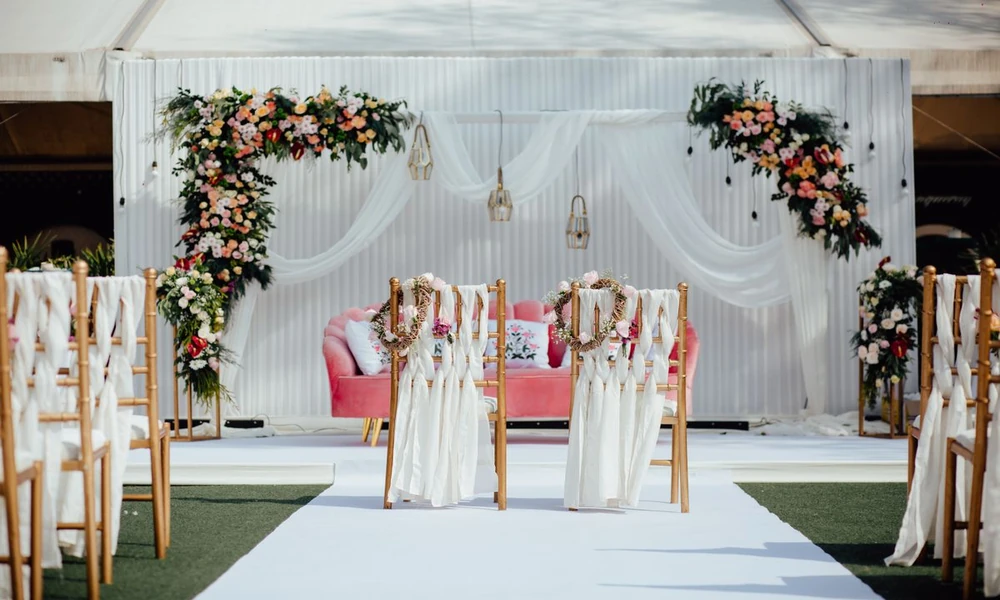
Weddings have a funny way of turning even the calmest people into spreadsheet-obsessed, colour-swatch-clutching versions of themselves. There’s a reason for that. A wedding is one of the only events most of us will ever plan that has to satisfy a guest list, a budget, a family history, and – somewhere underneath all of it – two people who just want the day to feel like them. Get the balance right and it’s magic. Get it wrong and you end up with a beautifully catered event that feels like it belongs to someone else entirely.
The good news is that the fundamentals haven’t changed much, even as the details have. Couples are still figuring out venues, outfits, guest lists, and how to keep everyone fed and happy for eight straight hours. What has changed is the sheer amount of help available for each of those decisions, and how much easier it now is to personalise a day that used to follow a fairly rigid template.
Start With the Feeling, Not the Venue
Most planning guides tell you to book a venue first. Fair enough – venues get snapped up fast, and the date often depends on availability. But before any contracts get signed, it’s worth spending an evening talking through what the day should actually feel like. Relaxed and outdoorsy? Formal and candlelit? Loud, dancing-until-2am chaos? That one conversation will save you from second-guessing every decision that follows, from florals to the playlist.
Outfits: Where Personality Actually Shows Up
Bridal parties and close friends spend a surprising amount of the planning window agonising over what to wear, especially for pre-wedding events like engagement parties or rehearsal dinners where the dress code is looser and more open to interpretation. This is usually where people either lean into something bold or panic and default to black. If you’re part of a wedding party trying to coordinate formal-but-not-bridal looks, a browsing tool like Prom Dress Finder is worth a look – it’s built for exactly this kind of formal-dress hunting, letting you filter by colour and silhouette so a group can land on styles that complement each other without everyone showing up in a matching set.
Guests, Gatecrashers, and Getting the List Right
Guest list arguments are, unfortunately, a rite of passage. Every couple hits the same wall: the venue caps numbers, the budget caps numbers, and somehow everyone’s mother has a slightly different idea of who counts as family. There isn’t a clever hack around this one – it just takes a clear, shared set of rules (plus-ones only for long-term partners, no work colleagues unless they’re genuine friends, that sort of thing) agreed early, so nobody has to make an awkward call two weeks before the big day.
Once the list is locked, etiquette questions tend to follow – who pays for what, how to word invitations for blended families, whether a destination wedding is fair to ask of guests. For couples wanting a grounded reference point rather than conflicting opinions from every aunt in the group chat, Emily Post’s wedding etiquette guides are a genuinely useful, non-judgemental starting point.
Capturing the Day Without a Hundred Separate Camera Rolls
Professional photography covers the formal shots, but it’s the guest photos – the candid, slightly blurry, completely unposed ones – that usually end up being the most treasured a year later. The trouble is that those shots normally scatter across dozens of phones and never make it further than someone’s camera roll. Setting up a shared album through something like Wedding Photo Swap solves that fairly neatly: guests upload as they go, and the couple ends up with a proper archive instead of chasing everyone individually for photos weeks after the honeymoon.
Who’s Actually Running the Show
Somewhere behind every wedding that runs smoothly is a coordinator quietly solving problems the couple never even hears about – a late florist, a seating chart reshuffle, a best man who’s lost the rings twice. It’s a genuinely demanding job, and one more people are actively training for these days. If you’re curious about what goes into that role, or you’ve got a friend who keeps saying they’d love to plan events for a living, we’ve written before about what it actually takes to start a career in event management, including the courses and skills involved.
The Bit Everyone Forgets: Building In Slack
Every wedding timeline looks tidy on paper. In practice, hair and makeup runs long, the photographer needs an extra fifteen minutes for golden-hour shots, and someone’s shoe breaks in the car park. Building buffer time into the schedule – an extra thirty minutes here, a spare hour there – is the single most underrated piece of wedding planning advice, and almost nobody follows it until they’ve been to (or had) a wedding that ran off the rails by 4pm.
None of this needs to be complicated. Weddings get overwhelming when every decision feels equally urgent, so it helps to separate the handful of choices that genuinely define the day – venue, guest list, the people you trust to help run it – from the smaller ones that can be figured out later, or delegated entirely. Do that, and the rest tends to fall into place with far less stress than the wedding industry would have you believe.

Comments are closed.