
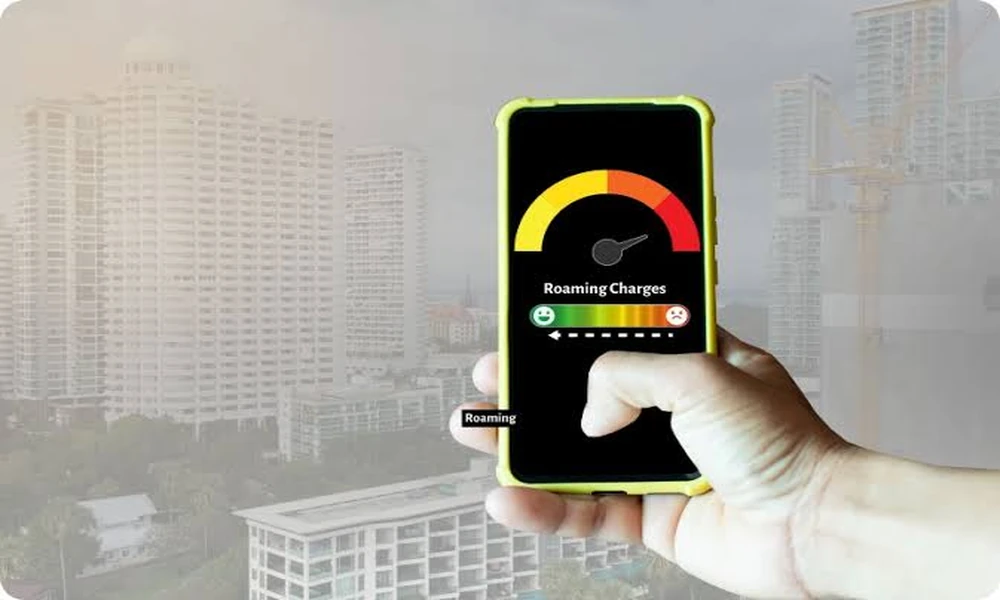
Travelling overseas without mobile data is almost impossible today. From the moment you land, your phone becomes your travel assistant. You need it for maps, ride-hailing apps, hotel bookings, WhatsApp, online banking, e-wallets, translation, flight updates and emergency contacts.
But overseas mobile usage can become expensive if you do not understand roaming charges.
Many travellers from Malaysia only realise this after the trip, when the bill arrives or their credit drops faster than expected. The most common reason is simple: they used mobile data, calls or SMS overseas without checking the roaming rate or activating the right pass.
That is why understanding Malaysia roaming is important before you fly. Roaming is convenient, but it should never be used blindly. With the right preparation, you can stay connected overseas without worrying about surprise charges.
This guide explains how phone roaming charges work, what causes bill shock, and how to choose the right data roaming packages before travelling.
What Are Roaming Charges?
Roaming charges apply when you use your Malaysian mobile number on a foreign network while overseas. Since your home telco does not directly operate that overseas network, your usage is routed through roaming partner operators.
This can include mobile data, outgoing calls, incoming calls, SMS and sometimes voicemail. The cost depends on the destination country, roaming operator, plan type and whether you have activated a roaming pass.
For example, using WhatsApp, maps or browsing overseas without a roaming package may be charged differently from using your local data in Malaysia. The same applies to making or receiving normal calls while abroad.
The main mistake travellers make is assuming their local plan benefits continue overseas. In most cases, domestic data and domestic unlimited calls apply only within Malaysia. Once you travel abroad, roaming rules apply.
Why Bill Shock Happens
Bill shock usually happens because of small mistakes, not because users intentionally use too much data.
Your phone may connect to an overseas network automatically. Apps may refresh in the background. Cloud photos may upload. Email may sync. Software updates may start. Messaging apps may download media. Maps may keep tracking location.
Even if you are not actively using your phone, data can still be consumed.
Another common issue is misunderstanding calls. Many travellers assume that receiving calls overseas is free because they are not making the call. In roaming, receiving calls may still be chargeable depending on the destination and network.
SMS can also be confusing. Receiving certain SMS may be free in some cases, but sending SMS overseas can be charged. International calls, special numbers and voicemail access may also create extra costs.
This is why checking phone roaming charges before departure is so important.
Mobile Data Is Usually the Biggest Risk
Among all roaming charges, mobile data is usually the biggest risk because smartphones use data constantly.
You may open Google Maps, check Grab, send photos on WhatsApp, browse restaurants, watch short videos, upload Instagram stories, check online banking, open email or use translation apps. Each activity uses data.
Video and social media apps are especially data-heavy. A few minutes of video streaming can use much more data than messaging. Uploading photos and videos while travelling can also consume a large amount of roaming data.
This is where data roaming packages become useful. Instead of paying unknown pay-per-use data rates, you activate a package with a fixed quota, validity and price. This gives you better control over your travel spending.
Domestic Data Is Not the Same as Roaming Data
This is one of the most important things to understand.
Your Malaysian mobile plan may include large data, unlimited domestic calls or hotspot benefits. But those benefits usually apply within Malaysia. When you travel overseas, your phone connects to a foreign network, and roaming rates or roaming passes apply.
This means your local data quota may not automatically work overseas unless the plan specifically includes roaming benefits for that country.
The same logic applies to hotspot. A plan may allow hotspot usage in Malaysia, but using hotspot overseas may be treated as roaming data. If you connect a laptop while roaming, you can use up data quickly.
Before travelling, check whether your plan includes roaming benefits or whether you need to buy a separate roaming pass.
What Is a Roaming Package?
A roaming package is a travel add-on that gives you a set amount of roaming data, calls or SMS for selected countries and a specific validity period.
Some packages are country-specific. Some cover a region such as ASEAN or APAC. Some support multiple countries under one pass. Some are data-only, while others may include calls or SMS.
For most travellers, a data-focused roaming pass is enough because they mainly use WhatsApp, maps, ride-hailing apps and browsing. But if you need to make or receive normal voice calls overseas, you should check call charges separately.
Good data roaming packages help you control cost because you know what you are buying before you travel.
Pay-Per-Use vs Roaming Pass
Pay-per-use roaming means you are charged based on actual usage. This can work for very minimal usage, but it can become expensive if you use mobile data without realising how much is being consumed.
A roaming pass gives better predictability. You pay for a fixed package and use it within the allowed quota and validity.
For most modern travellers, a roaming pass is safer than pay-per-use. It gives peace of mind, especially if you need data daily.
However, you still need to check what happens after the package ends. Does speed reduce? Does usage stop? Do pay-per-use rates apply? Can you renew the pass? These details matter.
How to Avoid High Roaming Charges
The best way to avoid high phone roaming charges is to prepare before your flight.
First, check whether your destination is covered by your roaming provider. Do not assume every country is included.
Second, activate the right roaming package before using data heavily. If your pass starts only after activation, make sure it is ready before you need it.
Third, turn off automatic app updates. App updates can quietly consume a lot of data.
Fourth, disable cloud photo and video backup on mobile data. Travel photos and videos can use huge amounts of data if they upload automatically.
Fifth, download offline maps before leaving Malaysia. This reduces data use while navigating.
Sixth, use hotel WiFi for large downloads, but avoid sensitive transactions on unknown public WiFi unless you are using proper security.
Seventh, monitor your data usage daily during the trip.
Finally, switch off data roaming when you do not need it.
These small habits can make your roaming package last longer and keep your costs under control.
Choose a Package Based on Travel Style
Not every traveller needs the same roaming plan.
A light traveller may only need data for WhatsApp, Google Maps, hotel bookings and ride-hailing apps. A regular traveller may also use social media, food delivery apps, online payments and browsing. A heavy traveller may stream videos, upload content, attend video calls or use hotspot for work.
If you are travelling for two or three days, a small short-validity pass may be enough. If you are travelling for a week, choose a package with enough data for the full trip. If you are travelling to multiple countries, choose a regional or multi-country package.
The best data roaming packages are not always the biggest ones. They are the ones that match your destination, trip length and daily usage.
Be Extra Careful with Hotspot Overseas
Hotspot can be useful when travelling, but it can also drain roaming data quickly.
A laptop uses data differently from a phone. It may sync files, update software, load full desktop websites, download attachments and run cloud apps in the background. A short laptop session can consume a large amount of data.
If you plan to use hotspot overseas, choose a roaming package with enough data and check whether hotspot is allowed. Also pause cloud syncing and software updates before connecting your laptop.
For work trips, hotspot may be necessary. For holidays, it is better to use hotspot only when needed.
Calls and SMS Need Separate Attention
Many travellers focus only on data, but calls and SMS can also create charges.
If you make normal voice calls while overseas, they may be charged at roaming rates. Receiving calls may also be chargeable. Sending SMS may have separate rates. Calls to special numbers, premium numbers or international numbers can cost more.
If you need to stay reachable, consider using data-based communication apps where possible. But for banking, emergency use or official calls, normal voice and SMS may still be needed.
Before departure, check the exact rates for your destination. This is especially important for business travellers.
Final Thoughts
Roaming does not have to be expensive, but it must be managed properly. Most bill shock happens because travellers do not check rates, do not activate a pass, or allow apps to use data in the background.
Before travelling, take a few minutes to understand Malaysia roaming rules for your destination. Check whether your domestic plan includes roaming, compare data roaming packages, and review phone roaming charges for calls and SMS.
The right roaming setup should let you land overseas, open your maps, message your family, book your ride and continue your trip without worrying about surprise costs.
A smart traveller does not wait until arriving abroad to think about roaming. The best time to plan your roaming is before you leave Malaysia.
FAQs
1. What are roaming charges?
Roaming charges are fees applied when you use your Malaysian mobile number on an overseas network for data, calls or SMS.
2. Why are phone roaming charges expensive?
Roaming can be expensive because usage is carried through foreign network partners, and charges depend on destination, operator and whether you have an active roaming pass.
3. Are data roaming packages better than pay-per-use roaming?
For most travellers, yes. Data roaming packages offer better cost control because you get a fixed data quota, price and validity.
4. Does my local Malaysian data work overseas?
Usually no, unless your plan specifically includes roaming benefits. Domestic data normally applies only within Malaysia.
5. How can I avoid roaming bill shock?
Activate a suitable roaming package, turn off background updates, disable cloud backup on mobile data, download offline maps, monitor usage and check call/SMS rates before travelling.

Comments are closed.