
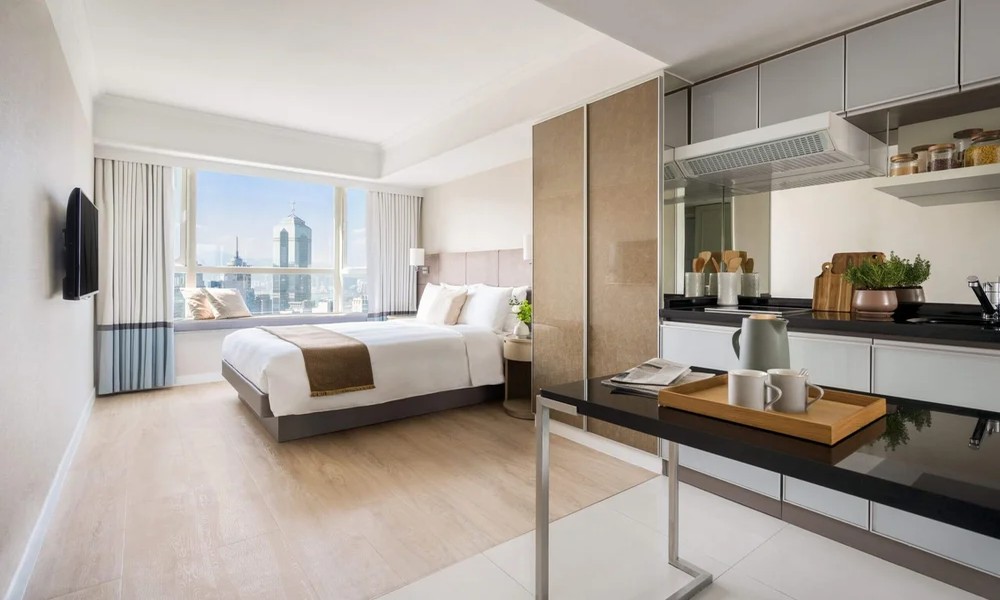
Urban living plans often require stable residential arrangements for extended schedules. Many people now prefer organised living spaces supporting work routines plus personal responsibilities during longer residential periods. Daily movement becomes easier when indoor layouts remain simple, practical, and manageable throughout changing weekly activities. Proper residential planning also reduces unnecessary stress linked to temporary relocation or repeated property shifting. Several occupants searching service apartments in Central West Hong Kong (西環service apartment) prefer structured indoor surroundings supporting smoother routines across monthly occupancy periods. Clear residential management, along with practical facilities, helps residents maintain balanced living conditions without unnecessary confusion.
Organised Residential Layouts Supporting Stability
Structured room arrangements help occupants maintain cleaner surroundings during extended residential schedules. Proper indoor planning also supports easier movement between resting, working, and storage sections throughout daily routines.
Simple furniture placement reduces unnecessary congestion during busy household activities. Balanced lighting arrangements improve indoor visibility without creating visual pressure during evening occupancy periods.
Quiet Shared Facilities Encouraging Balance
Shared residential surroundings now support calmer interaction beside organised personal schedules. Many occupants prefer controlled communal sections instead of crowded, unpredictable gathering environments during longer stays.
Maintenance systems inside modern residential buildings also improve cleanliness across shared corridors, seating sections, and utility areas. Stable surroundings support smoother daily management throughout extended occupancy periods.
Structured Indoor Arrangements for Occupants
Practical indoor planning helps residents maintain manageable routines during longer residential schedules. Smaller details inside living areas often influence daily convenience more than decorative presentation.
• Adjustable study corners improve concentration during evening personal responsibility schedules
• Foldable storage sections support cleaner room organisation throughout occupancy periods
• Soft lighting arrangements maintain balanced indoor visibility during night-time movement schedules
• Organised wardrobe placement reduces unnecessary clutter beside resting space arrangements
• Multi-purpose seating layouts support flexible residential activities across weekly schedules
• Shared laundry facilities improve household management during extended residential occupancy periods
• Compact dining arrangements create smoother movement throughout limited indoor surroundings
• Quiet hallway maintenance supports a calmer residential atmosphere during active occupancy schedules.
Managed Residential Services Supporting Routine
Residential services influence daily stability during extended occupancy periods. Organised maintenance response systems help occupants manage household concerns without repeated delays or unnecessary communication confusion.
Which Residential Features Support Longer Occupancy?
Longer residential schedules often require stable surroundings supporting organised daily management. Occupants usually prefer indoor layouts, reducing movement difficulty while maintaining cleaner living arrangements throughout changing weekly routines.
Practical facilities such as storage sections, laundry management, and quiet seating surroundings support smoother occupancy patterns across extended residential periods. Around organised housing arrangements, service apartments in Central West Hong Kong (西環service apartment) continue attracting residents seeking balanced indoor planning during temporary relocation schedules.
Common Residential Clarifications Section
• What supports easier indoor organisation during longer occupancy periods? Compact storage layouts improve residential management across weekly schedules.
• Which facilities help maintain smoother household routines daily? Laundry sections plus organised seating surroundings support easier residential activities.
• What influences residential stability during extended occupancy schedules? Proper maintenance response systems improve consistent indoor management conditions.
• Which indoor arrangements support focused working responsibilities effectively? Structured workstation corners improve productivity throughout changing daily schedules.
• What creates balanced shared residential surroundings for occupants? Quiet communal sections maintain calmer interaction during occupancy periods.
• Which residential details reduce unnecessary household confusion significantly? Clear utility management systems support organised long-term living arrangements.
Residential Planning Supporting Consistent Living
Structured residential planning often creates better occupancy outcomes during longer relocation schedules. Proper indoor arrangements, practical service management, and organised communal surroundings help residents maintain smoother household routines without unnecessary disruption.
Lasting Residential Choices Ahead
Longer residential schedules become easier through organised planning, steady observation, and practical indoor management. Balanced surroundings support daily responsibilities without creating unnecessary residential pressure during extended occupancy periods. Structured utility systems alongside manageable indoor arrangements often improve household consistency across changing weekly routines. Residents usually benefit more from realistic residential preparation than temporary visual attraction during property selection. Stable living conditions develop gradually through careful evaluation, repeated adjustment, and practical decision-making throughout occupancy periods.

Comments are closed.