
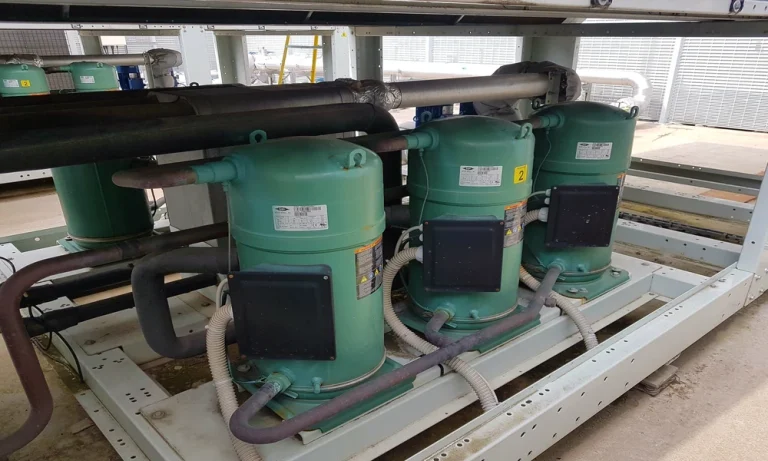
Industrial cooling systems play a major role in maintaining productivity across manufacturing, food processing, pharmaceuticals, and commercial facilities. A well-maintained scroll chiller not only improves cooling efficiency but also reduces energy consumption and prevents expensive breakdowns. In Indian industries where equipment often operates for long hours in varying weather conditions, regular maintenance becomes even more important.
By following the right servicing practices and monitoring system performance consistently, businesses can extend equipment life and achieve uninterrupted operations.
Keep the Condenser and Evaporator Clean
Dust, dirt, and industrial particles can accumulate on condenser and evaporator coils over time. This buildup affects heat transfer efficiency and forces the system to work harder than required.
To maintain proper cooling performance:
- Clean condenser coils regularly using compressed air or soft brushing
- Inspect evaporator surfaces for scaling or debris accumulation
- Remove oil deposits that may reduce heat exchange efficiency
- Schedule professional chemical cleaning when required
A clean cooling system helps maintain stable temperatures and lowers electricity usage, which is highly beneficial for industries operating continuously.
Monitor Refrigerant Levels Frequently
Refrigerant is essential for efficient cooling. Low refrigerant levels can reduce performance and increase compressor stress. On the other hand, overcharging may also create operational issues.
Signs of refrigerant problems include:
- Inconsistent cooling
- Higher power consumption
- Frost formation on pipes
- Unusual compressor sounds
Routine leak inspections and pressure checks help maintain optimal refrigerant balance. Many facilities working with industrial cooling systems consult experienced brine chiller manufacturers for periodic inspections and servicing support to avoid long-term damage.
Pay Attention to Compressor Health
The compressor is considered the heart of any cooling system. Ignoring early signs of wear can lead to major repair expenses and production downtime.
Important compressor maintenance practices include:
- Checking oil levels and lubrication quality
- Monitoring vibration and noise levels
- Inspecting electrical connections
- Ensuring proper voltage supply
- Replacing damaged insulation immediately
Regular compressor inspections improve the reliability of a scroll chiller and help maintain consistent cooling capacity even during peak industrial operations.
Maintain Proper Water Quality in the System
Water quality has a direct impact on cooling efficiency. Poor-quality water may lead to scaling, corrosion, and blockages inside pipes and heat exchangers.
To improve water system performance:
- Use treated water wherever possible
- Check pH and hardness levels regularly
- Install water filtration systems
- Flush pipelines periodically to remove sediment
Industries using process cooling equipment should also inspect circulation pumps and valves regularly to ensure smooth water flow throughout the system.
Inspect Electrical Components and Controls
Electrical issues are one of the common reasons for unexpected chiller shutdowns. Loose wiring, faulty sensors, or damaged control panels can reduce efficiency and create safety risks.
A proper electrical inspection should include:
- Tightening loose terminals
- Checking overload protection systems
- Testing sensors and thermostats
- Examining relay and contactor condition
- Cleaning electrical panels to prevent dust accumulation
Timely servicing ensures the cooling unit operates safely and consistently under different load conditions.
Train Staff for Proper Equipment Handling
Even the best cooling systems can develop problems if they are not operated correctly. Many industries focus only on technical servicing while ignoring the importance of staff training. Operators who understand the working principles of chillers can identify warning signs early and prevent unnecessary damage.
Training programs should include:
- Correct startup and shutdown procedures
- Basic troubleshooting methods
- Safe handling of control panels
- Monitoring temperature and pressure readings
- Reporting unusual sounds or leaks immediately
Proper handling reduces operational stress on equipment and helps maintain stable cooling efficiency. Businesses that train their maintenance teams regularly often experience fewer breakdowns and improved system performance over time.
Schedule Preventive Maintenance Instead of Reactive Repairs
Many businesses wait for equipment failure before contacting service professionals. However, preventive maintenance is far more cost-effective than emergency repairs.
A planned maintenance schedule helps:
Industrial facilities using a brine chilling plant for process cooling should maintain detailed service records and performance logs. These records help technicians identify recurring issues quickly and improve maintenance planning.
Ensuring Reliable Cooling Performance for Years
Long-lasting cooling performance depends heavily on consistent care and timely inspections. From coil cleaning and refrigerant checks to electrical maintenance and water treatment, every small step contributes to better system efficiency. Industries that invest in preventive servicing experience fewer breakdowns, improved energy savings, and stable production operations.
Working with reliable service experts and trusted brine chiller manufacturers can further enhance system reliability and operational safety. Whether installed in food processing units, chemical plants, or manufacturing facilities, a properly maintained brine chilling plant can deliver dependable cooling performance for many years. Similarly, regular maintenance helps a scroll chiller operate efficiently while supporting consistent cooling across demanding industrial environments.
Conclusion
Consistent maintenance is the key to maximising the efficiency, reliability, and lifespan of industrial cooling equipment. Simple practices such as cleaning coils, monitoring refrigerant levels, maintaining water quality, and inspecting electrical components can prevent costly breakdowns and improve overall system performance. By adopting a preventive maintenance approach and partnering with experienced service professionals, businesses can ensure uninterrupted operations, lower operating costs, and long-term cooling reliability.