
Coastal storms in Horry County can weaken gutter systems long before major damage becomes visible, making early inspection an important part of protecting a home. Looking for storm-related warning signs soon after severe weather helps prevent water from reaching the roof, siding, fascia, and foundation. Prompt attention to visible changes supports reliable drainage and reduces the chance of expensive exterior repairs.
Heavy rainfall, strong winds, and flying debris can loosen gutter components or create hidden damage that affects drainage performance. When inspection reveals conditions that point toward gutter replacement in Horry County SC, addressing the problem before another storm arrives helps restore proper water management and protects surrounding building materials.
Watch for Gutters That Pull Away From the Roof
Gutters should remain firmly attached to the fascia even after severe weather passes. Strong coastal winds and the added weight of trapped water or debris can loosen fasteners and cause sections to separate from the roofline. Those openings allow rainwater to spill behind the gutters instead of flowing safely toward the downspouts.
Check for Sagging or Uneven Sections
A properly installed gutter system maintains a consistent slope that directs rainwater away from the home. Sagging areas usually indicate weakened brackets, excessive weight, or storm-related structural stress that affects normal drainage. Standing water inside these low sections places additional strain on the system and increases the risk of further deterioration.
Notice Water Where It Should Not Be
Water escaping from damaged gutters sometimes leaves visible signs around the exterior after rainfall. Stains beneath the gutters, damp siding, or soil erosion near the foundation indicate that runoff no longer follows its intended drainage path. These conditions deserve attention before repeated storms create additional moisture problems.
Other warning signs include:
- Soil washed away beneath the roof edges
- Splash marks on exterior walls
- Water is collecting near the foundation
- Damp mulch after ordinary rainfall
Inspect Joints and Seams After Heavy Rain
Coastal storms frequently place extra stress on the sealed joints that connect sectional gutters. Small openings at these connection points may leak only during heavier rainfall, allowing water to escape before reaching the downspouts. Widespread joint failure across multiple sections may indicate the need for gutter replacement in Horry County SC, instead of repeated repairs.
Look for Debris Damage After Coastal Winds
Strong winds commonly leave branches, pine needles, leaves, and roof granules inside gutter channels. Heavy debris blocks water flow, increases the overall weight of the system, and creates additional pressure on fasteners during future storms. Careful inspection also helps identify physical damage that may have occurred when debris struck the gutters.
Inspect the system for:
Pay Attention to Rust, Cracks, and Surface Damage
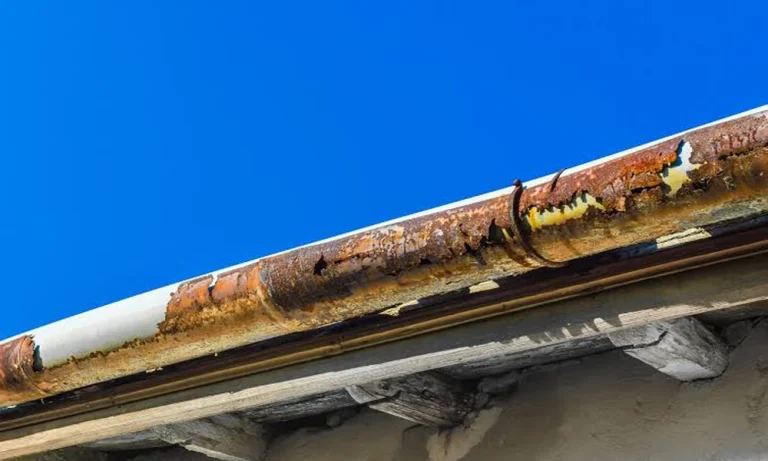
Coastal environments in Horry County expose gutter materials to frequent moisture, salt air, and changing weather conditions throughout the year. Small cracks, rust spots, separated seams, or corrosion can expand after repeated storm exposure and gradually weaken the system. Early identification of surface damage helps prevent leaks from reaching fascia boards, soffits, and nearby exterior materials.
Consider Seamless Gutters and Gutter Guards After Storm Damage
Extensive storm damage sometimes affects multiple sections of an existing gutter system, making complete replacement the more practical long-term solution. Seamless gutters reduce the number of joints where leaks commonly develop, while gutter guards help limit debris buildup that contributes to blockages after coastal storms. These features support more consistent water flow and reduce maintenance demands throughout the year.
Look For A Gutter Contractor in Horry County Who Checks The Entire Drainage System
A thorough inspection should include gutters, downspouts, fascia, soffits, and drainage paths affected by coastal storms. Experienced contractors in Horry County can identify hidden damage, recommend appropriate repairs or replacement, and help restore reliable water flow. A complete evaluation supports long-term gutter performance and helps prevent recurring moisture-related issues.
Coastal storms can leave behind gutter damage that is easy to overlook but costly to ignore as future rainfall arrives. Careful inspection for loose sections, leaks, sagging areas, debris buildup, and surface deterioration helps identify problems before water reaches vulnerable parts of the home. Early repairs or replacement when necessary help maintain dependable drainage and protect important exterior structures.